
Mastering Greenhouse Air Circulation:
Why It Matters and How to Do It Right
When winter sets in, greenhouse growers face a unique set of challenges. Temperature gradients, condensation, and drafts can wreak havoc on plant health, slowing growth and increasing disease risk. While heating systems and substrates play a role in mitigating these issues, one of the most overlooked yet critical factors is proper air circulation. Effective airflow ensures uniform temperature, reduces humidity-related problems, and protects plants from cold stress. Let’s dive into why circulation matters and how growers can optimize it.
The Science Behind Air Movement
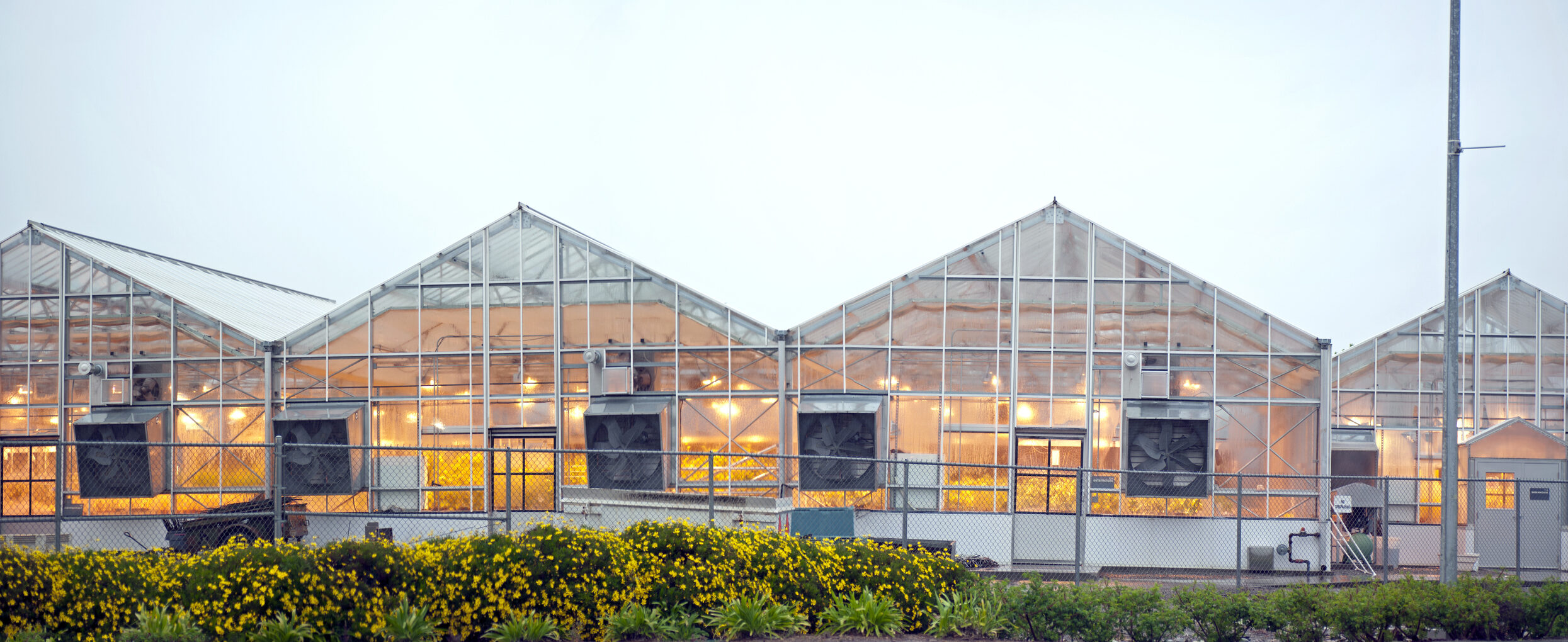
Greenhouses are dynamic environments. Warm air naturally rises because it is less dense than cold air, creating significant temperature differences between the roof and the floor. Without intervention, this stratification leads to uneven crop development with plants near the floor experiencing chilling stress, while those higher up bask in warmer conditions. Studies have shown that in winter, the difference between the top and bottom of a greenhouse can be dramatic: 10°F and more.
This imbalance doesn’t just affect growth rates; it also influences condensation. When warm, humid air meets cold surfaces like walls, floors or water pipes, water droplets condensate on their surface. This water can drip onto foliage and creates ideal conditions for pathogens like Botrytis and Pythium.
Add in microclimates near doors and vents, and you have a recipe for variability that complicates scheduling and increases disease pressure.
Fans: The Heart of Circulation
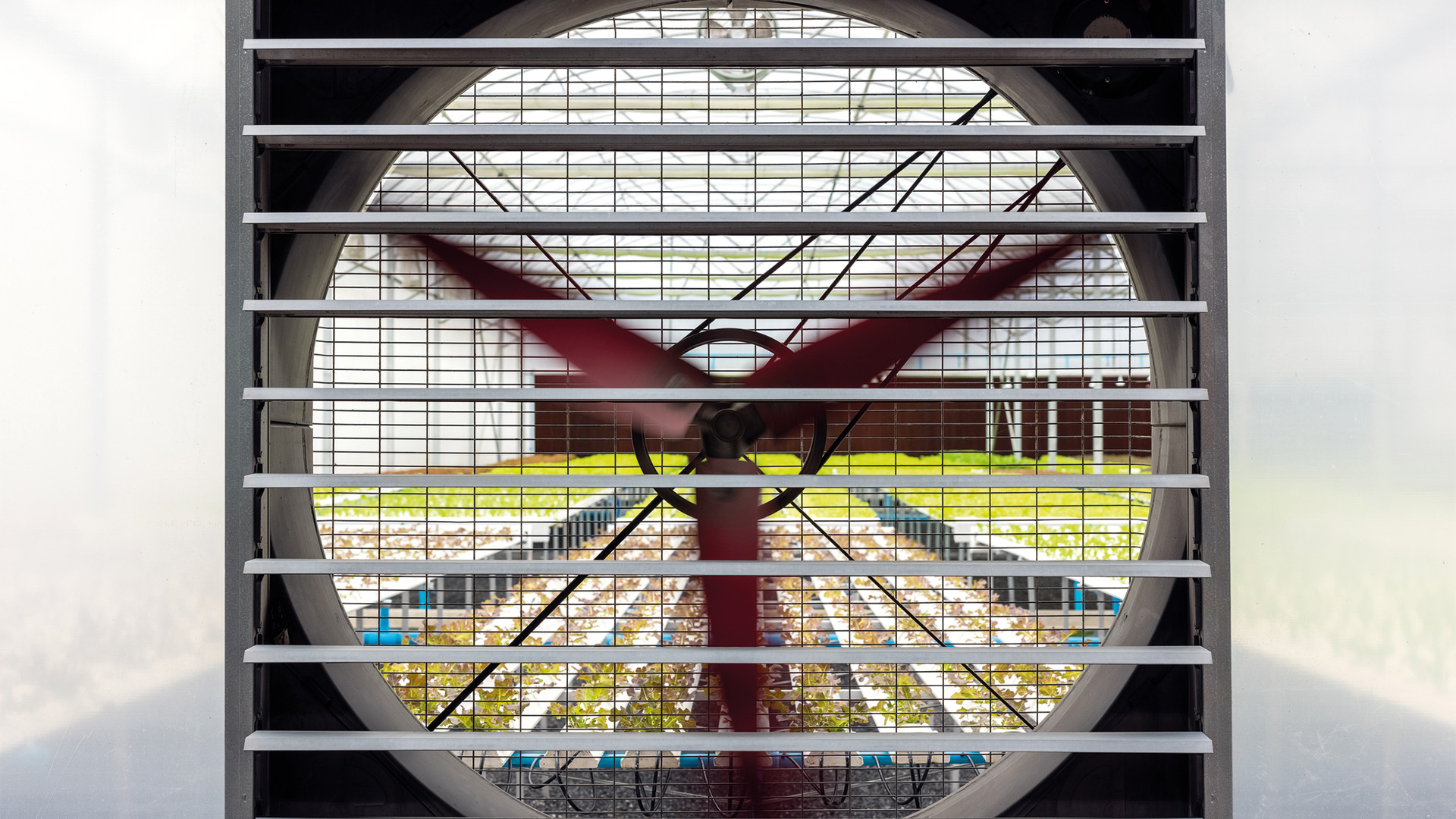
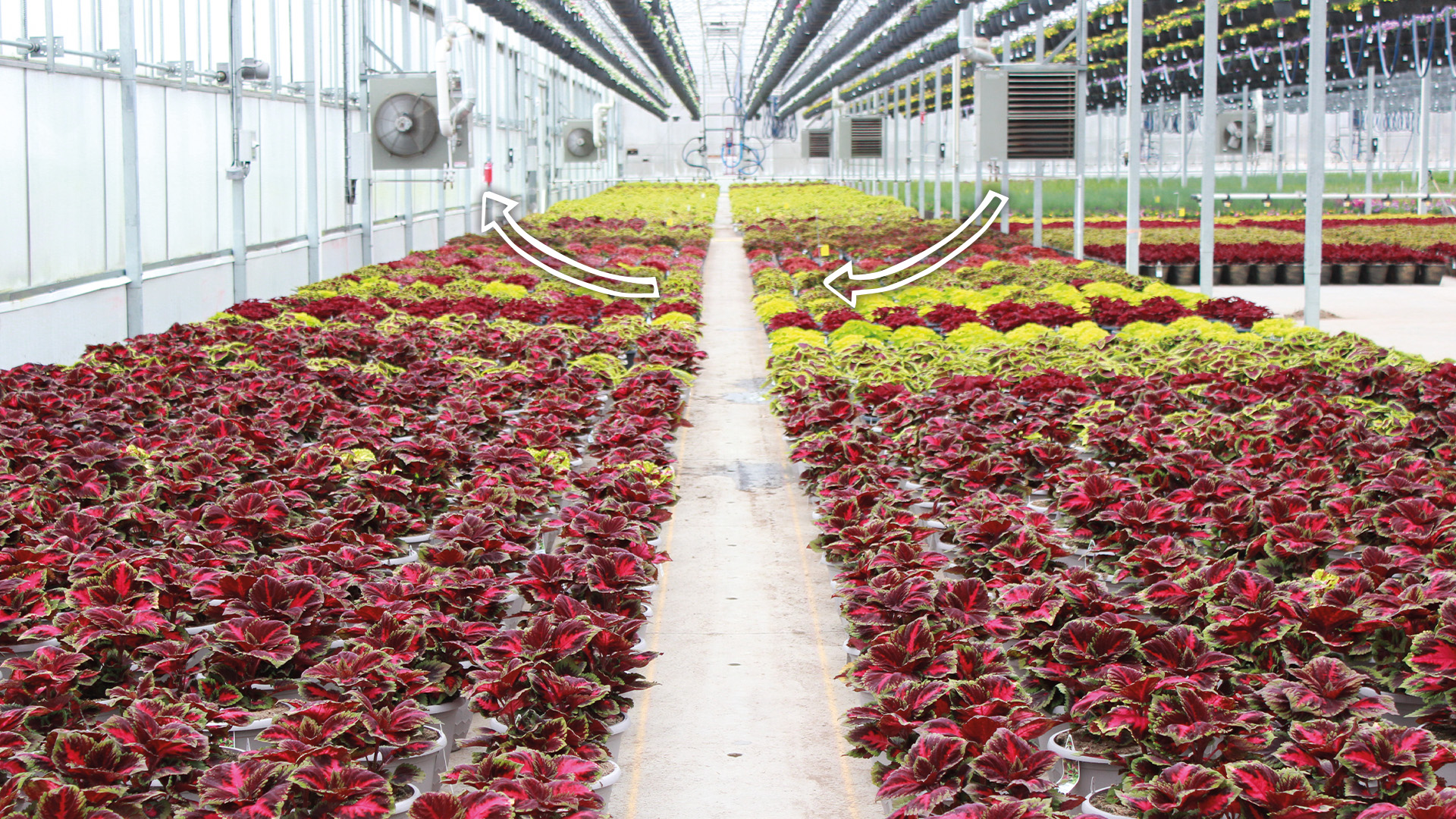
Horizontal air flow (HAF) fans are the backbone of greenhouse air movement. These fans are designed to create a bathtub effect, circulating air in a predictable pattern from one end of the greenhouse to the other in circular or snaking patterns back and forth. When aligned correctly, they prevent stagnant pockets of cold air and maintain uniform temperature and humidity. Proper alignment is key. Fans should be positioned straight, not tilted up, down or to the side, and spaced to ensure continuous airflow without dead zones. Misaligned fans can cause uneven circulation, leaving some plants exposed to chilling drafts while others suffer from excessive air flow. Regular checks are essential because fans can shift over time due to maintenance or accidental bumps.
Visualizing Airflow: The Incense Stick Method
One practical tip for growers is to use incense sticks to visualize airflow. When lit, the smoke trails reveal how air moves through the greenhouse, making it easy to spot stagnant areas or misaligned fans.
This method is safer and more effective than older practices like using cigarettes, which carry the risk of transmitting tobacco mosaic virus. Incense provides a clear, non-invasive way to fine-tune fan orientation and ensure optimal circulation.
Managing Drafts and Microclimates
Even with well-placed fans, external factors can disrupt air flow. Opening a door on a freezing day can create a draft, instantly reducing air temperatures around plants closest to the entrance. Growers often see this in the form of bleached foliage, a sign of abiotic tissue damage caused by sudden temperature shock. To prevent this, consider installing temporary barriers such as plastic curtains in key areas. These simple solutions act as windbreaks, shielding sensitive crops from cold air currents.
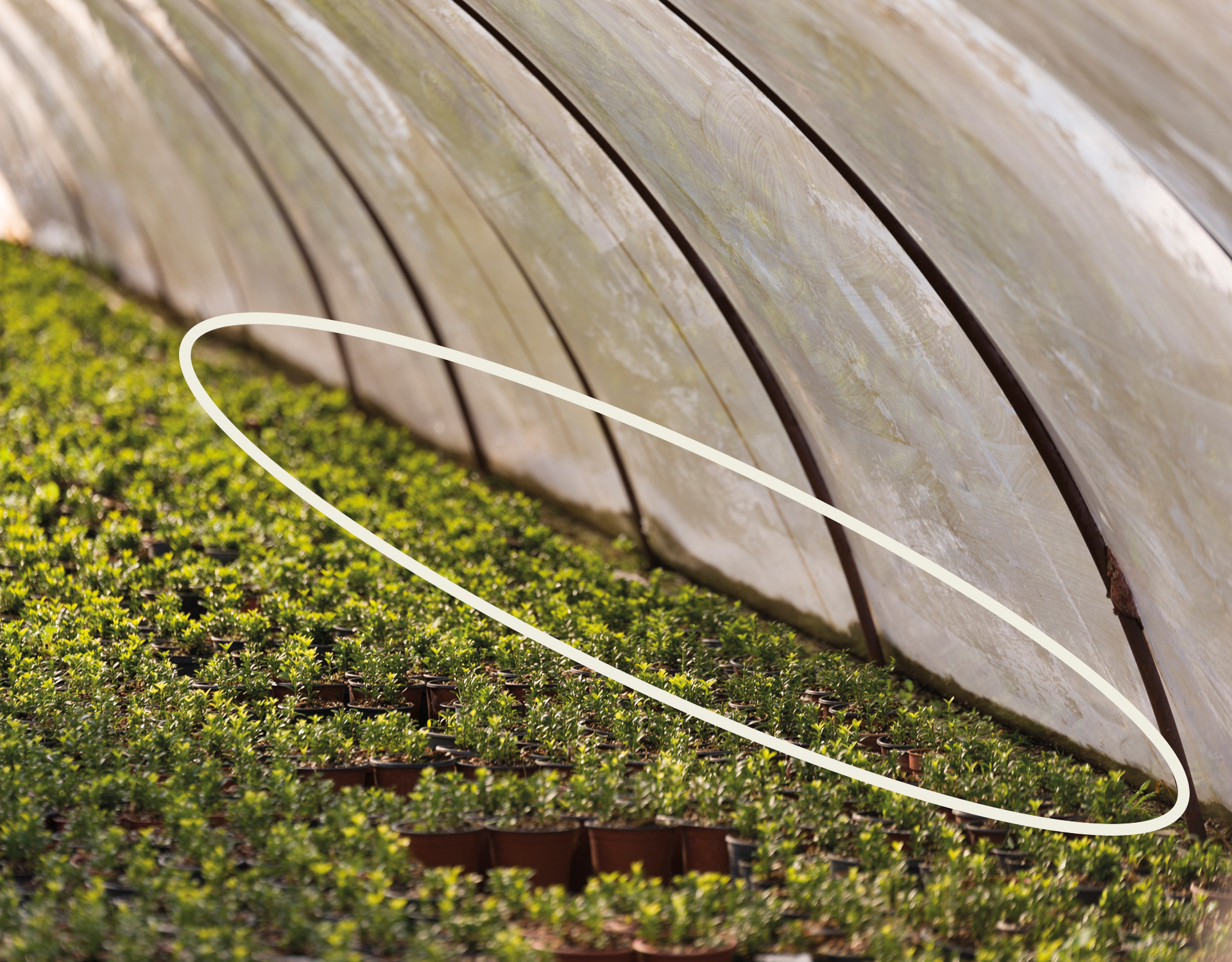
Microclimates near walls and vents also pose challenges. When the temperature difference between inside and outside the greenhouse becomes substantial, a temperature gradient occurs along the outside walls. Plants positioned along the inside wall edges often lag behind those in the center of the greenhouse, a phenomenon known as the edge effect. Strategic placement of fans and barriers can help minimize these disparities. In addition to these types of drafts, winter venting must be considered to keep temperatures even throughout the day. With cold outside temperatures, HAF fans must run to mix the much colder outside air with warmer inside air preventing cold spots. This mixing of air temperatures also reduces greenhouse humidity that often builds during cold weather when venting is not optimal.
The Role of Floor Temperature
Air temperature readings can be misleading. A greenhouse may feel warm at head height, but the root zone can remain cold, especially when plants sit on concrete floors. This chilling effect slows nutrient uptake and increases stress. Air circulation helps, but growers should also use insulating materials under pots or consider heating systems that target the root zone. Pairing these strategies with warm irrigation water further protects roots from cold shock.
Best Practices Checklist
- Check Fan Alignment Regularly:
Use incense sticks to confirm airflow patterns and adjust fans as needed. - Create Predictable Airflow Paths:
Position fans to move air in a continuous loop, avoiding dead zones. - Install Temporary Barriers:
Use plastic curtains near doors and vents to block drafts and avoid placing sensitive plants in these areas.
- Monitor Humidity and Temperature Gradients:
Combine circulation with venting strategies to reduce condensation. - Protect the Root Zone:
Use high-quality substrate to support root health and use warm irrigation water to prevent temperature shock. - Consider venting before nightfall:
Venting strategies before nightfall can help lower ambient humidity in the greenhouse, preventing issues during the colder hours.
Final Thoughts
Proper air movement isn’t just about comfort: it’s about crop quality and profitability. Uniform temperature and humidity reduce disease risk, improve growth consistency, and shorten production cycles. In winter, when heating costs are highest, circulation also helps distribute heat, lowering energy bills.
Air circulation is the unsung hero of greenhouse management. While heating systems often steal the spotlight, airflow determines how effectively those investments perform. By mastering fan placement, monitoring airflow with simple tools like incense sticks, and using barriers to control drafts, growers can create a stable environment that supports healthy, resilient crops, even in the harshest winter conditions.
Explore how substrates can help manage winter crop challenges