Greenhouse Water Savings: Producing More with Less
Author: Annie Girard
Water conservation is becoming increasingly important in greenhouse production, but while the goal may seem simple, it is nuanced and more complicated than simply using less water. The real objective is to use water more efficiently by maximizing the amount that remains available to the crop while minimizing runoff, leaching, and waste. Good water management often improves root health, fertilizer efficiency, crop uniformity, and profitability at the same time.
How Does Water Behave in a Container?
Water Availability at Container Capacity
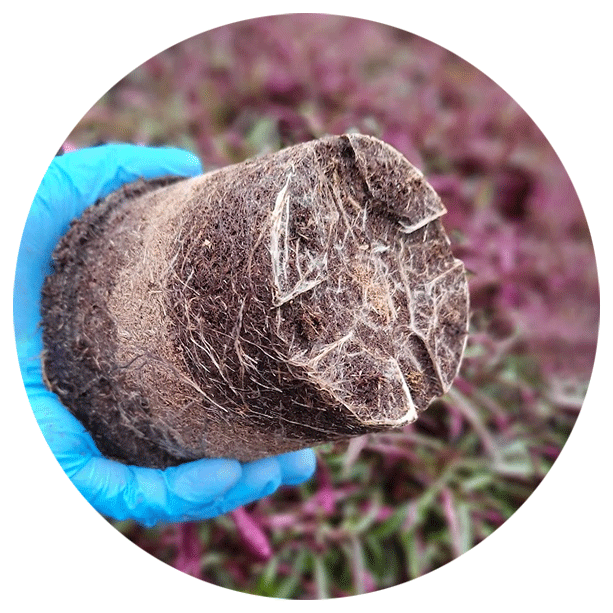
Effective irrigation starts with understanding how water behaves in a container. After irrigation, the substrate reaches container capacity, where excess water has drained away and the remaining water is held by capillary forces. Not all of this water is available to the plant. Some is easily available, while some is held too tightly by the substrate for roots to access efficiently. The balance between these fractions varies among substrate mixes.
Moisture Distribution Within the Pot
Moisture is also unevenly distributed within the pot. The lower portion often remains wetter due to gravity’s pull, while the upper layers dry more quickly. Good wettability helps water move uniformly throughout the container, reducing channeling and ensuring the entire root zone is properly hydrated.
Why Does Substrate Choice Matter?
Key Properties That Influence Irrigation
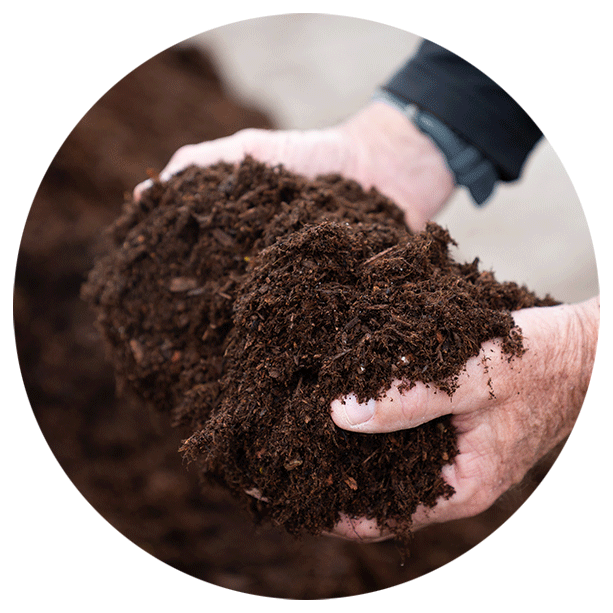
Substrate selection has a major impact on irrigation efficiency. Consistent substrates promote uniform dry-down, allowing growers to irrigate more precisely and reduce variability throughout the crop. Key properties influence how often a crop must be watered and how effectively roots can access moisture:
- Water-holding capacity
- Air-filled porosity
- Drainage
- Wettability
Finding the Right Balance
The best substrate is not necessarily the one that holds the most water. It is the one that provides the right balance of water and air for the crop, container, environment, and irrigation system being used.
Moving Toward Higher Water-Holding Mixes
The Case for Highly Drained Mixes
Many growers are evaluating substrates that retain more plant-available water. Traditionally, highly drained mixes have been popular because they are forgiving when overwatered, maintain high oxygen levels, and allow tight fertility control through frequent irrigation. However, these mixes often require more frequent watering and can increase leaching losses.
Benefits of Higher Water-Holding Substrates
Substrates with higher water-holding capacity can help:
- Reduce irrigation frequency
- Improve fertilizer efficiency
- Provide a larger buffer during hot weather or periods of limited labor
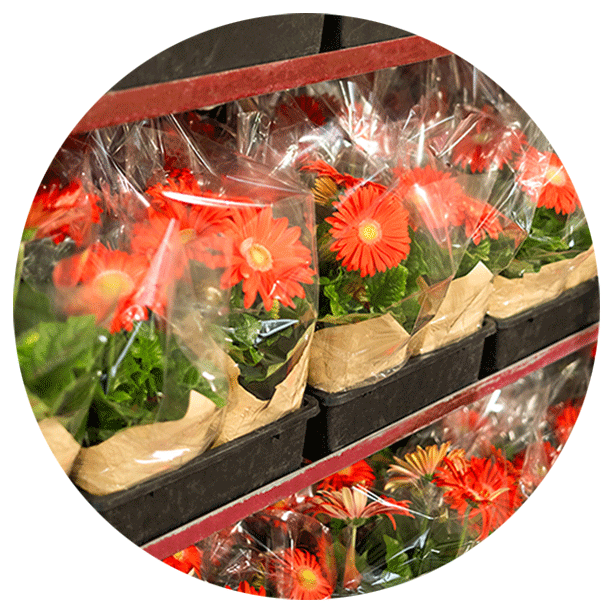
- Improve shelf life by helping plants maintain moisture during shipping and retail display
Adjusting Irrigation Practices During the Transition
The transition requires a change in irrigation practices. Growers must avoid managing a more water-retentive mix as if it were a highly drained substrate and instead allow appropriate dry-down between irrigations.
What Are Some Practical Water-Saving Strategies?
Measuring and Monitoring
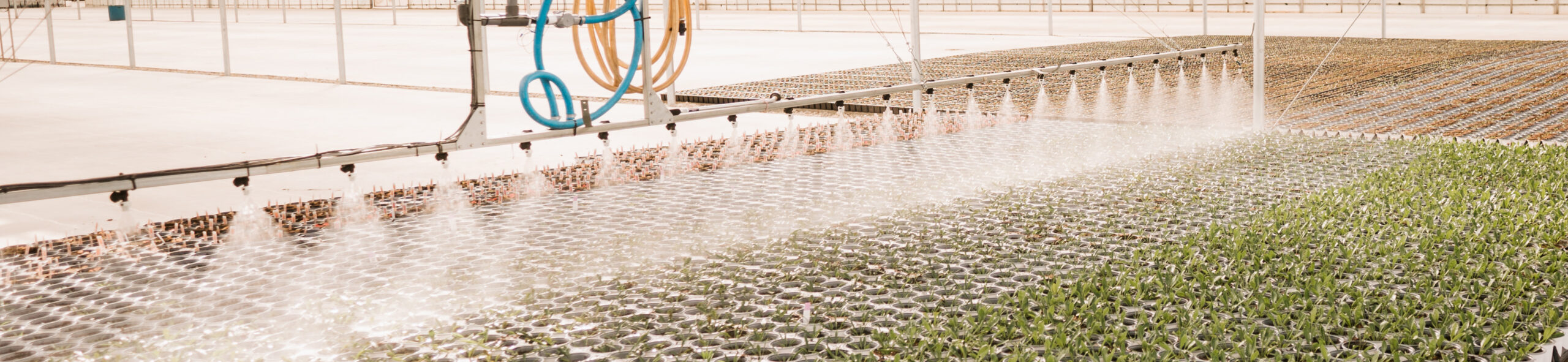
Some of the most effective water-saving opportunities come from management practices rather than new technology. Measuring the following can identify opportunities to reduce unnecessary watering:
- Irrigation volume
- Drainage
- Substrate moisture
- Container weight
Excessive leaching not only wastes water but also removes fertilizer from the root zone.
Management Practices That Improve Efficiency
Allowing a healthy dry-down between irrigations improves oxygen availability and encourages stronger root systems. Additional practices that improve water-use efficiency include:
- Grouping crops with similar water requirements
- Selecting varieties adapted to local growing conditions
- Adjusting irrigation according to crop stage
- Fertility management, since better irrigation control often leads to lower fertilizer losses and reduced input costs
How Berger Can Help
Improving water efficiency requires a systems-based approach that considers substrate selection, irrigation practices, crop requirements, and environmental conditions. Berger’s premium peat-based substrates are designed to provide consistent moisture behavior and predictable performance, helping growers make more informed irrigation decisions. Berger Grower Advisors support growers through substrate recommendations, irrigation reviews, root-zone evaluations, and troubleshooting, helping identify practical opportunities to conserve water while maintaining crop quality.
Conclusion
Water conservation is ultimately about better crop control. Growers who understand water behavior in the container, choose the right substrate, measure their irrigation practices, and adapt their management accordingly can reduce waste, improve efficiency, and produce more consistent crops. In many operations, the path to saving water begins with understanding how water moves through the root zone and making small, informed adjustments to daily growing practices.