Substrates as a Solution to Cold-Related Challenges in Winter Crop Production
Author: Stacey Rocklin, Grower Advisor
As winter sets in, greenhouse growers brace for a season of unique challenges that the right substrate helps mitigate. Cold temperatures, reduced light, and fluctuating humidity levels create an environment that slows plant growth, leads to physiological stress, and increases plant vulnerability to pests and diseases. While heating systems and environmental controls play a critical role, the substrate also has a significant influence on winter production outcomes. Substrates are far more than passive physical support. In cold conditions, they become a strategic tool for maintaining plant health, optimizing resource use, and mitigating risks associated with low temperatures.
The Physiological Impact of Cold on Plants
Cold weather affects plants at every level. Reduced temperatures impair root function, slowing water and nutrient absorption. Roots not only absorb less because demand is lower; they also become less efficient at uptake. Structural changes occur, making them thicken, swell, and sometimes deform due to cellular damage.
Meanwhile, above ground, photosynthesis declines sharply as key enzymes like Rubisco, highly sensitive to temperature, slow their activity. Leaf stomata close, leading to reduced transpiration and therefore lower water uptake by the roots. Cold temperatures also induce chlorophyll breakdown, leading to leaf discoloration and impaired energy production.
The result? Slower growth rates, extended crop cycles, and lower yields. In extreme cases, microclimates within the greenhouse, caused by uneven heating or poor air circulation, compound these issues and allow variability in crop height and quality.

Cold-related chlorophyll breakdown in blueberry leaf
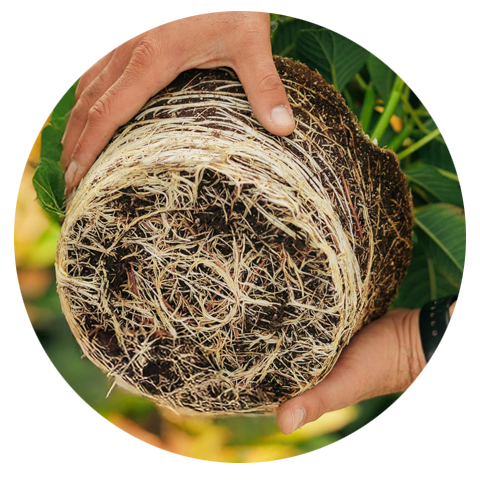
Healthy roots
Why Substrate Properties Matter in Winter Crop Production
When plants are stressed and energy-depleted, the root zone becomes the frontline of defense. A well-designed substrate can offset many cold-related challenges by providing:
- GOOD OXYGEN AVAILABILITY VIA POROSITY
Roots need oxygen to convert sugars into energy. In winter, when metabolic activity slows down, oxygen becomes even more critical. A substrate with good porosity ensures adequate gas exchange, preventing roots from suffocating in waterlogged conditions.
- BALANCED WATER-HOLDING CAPACITY
While oxygen is essential, water reserves cannot be ignored. Cold conditions often lead to reduced irrigation frequency, so substrates must retain enough moisture to prevent drought stress without staying saturated. Excess moisture invites root rot and fungal pathogens, which thrive in cold, wet environments.
- HIGH CATION EXCHANGE CAPACITY (CEC)
Winter irrigation is less frequent, so nutrient delivery becomes sporadic. A substrate with high CEC holds nutrients in the root zone, minimizing leaching and ensuring availability when plants need it. This chemical buffering also helps stabilize pH, which can fluctuate under low-light, low-temperature conditions.
- STABILITY THROUGH FREEZE-THAW CYCLES
In regions with temperature swings, water expansion during freezing can damage pots and break down substrate particles. This compromises porosity and drainage for the rest of the crop cycle. High-quality mixes maintain structural integrity, reducing these risks.
Consistency: Eliminating Variables During Winter
Winter growing conditions introduce countless variables, like temperature swings, humidity spikes, and light limitations. A consistent substrate eliminates at least one source of uncertainty. Premium mixes have consistent physical characteristics and maintain uniform pH and electrical conductivity (EC), ensuring nutrient uptake remains efficient even when plant metabolism slows. This stability is invaluable in managing crops through unpredictable weather patterns.
Disease Prevention Through Aeration
Cold, wet soil is a breeding ground for pathogens like Botrytis, Pythium, and Rhizoctonia. These organisms exploit anaerobic zones in poorly aerated substrates. High-quality mixes promote uniform aeration, reducing the likelihood of stagnant pockets where diseases thrive. For a deeper look at how aeration and sanitation practices help limit soil-borne risks, see our guide on preventing the emergence of soil diseases. Starting with a clean, pathogen-free substrate is essential because recovery from disease during winter is slow and costly; losses can quickly devastate profit margins.
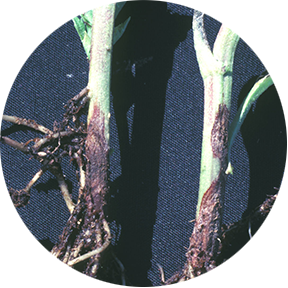
Rhizoctonia
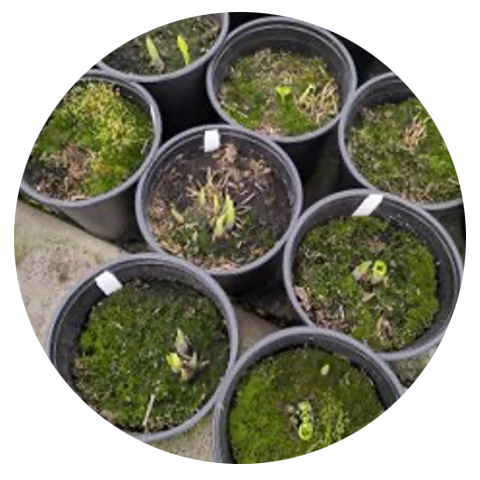
Moss over-growing
Practical Strategies for Growers
Growers can leverage substrate properties to optimize winter production by:
- CHOOSING HIGH-POROSITY MIXES
Many professionals switch to high-porosity versions of their standard mixes during winter. These blends improve drainage and oxygen availability, reducing risks associated with excessive moisture retention.
- ADJUSTING IRRIGATION PRACTICES
Water less frequently and ensure the entire root zone is moistened during each irrigation event. Warm water is preferable, as cold irrigation can shock roots, and recovery is slow. Substrates that re-wet easily after drying are advantageous. As with other seasons, manage dry down cycles without drying out crops too far. These practices align with broader irrigation principles shared in Smart Irrigation: The Key to Healthy Crops and Efficient Growing.
- MONITORING FERTILITY
Avoid over-fertilization, which can lead to salt buildup when leaching opportunities are limited. Conversely, ensure adequate nutrition early in the season, as correcting deficiencies later becomes difficult.
- PAIRING SUBSTRATE CHOICE WITH ENVIRONMENTAL CONTROLS
Even the best substrate cannot compensate for poor air circulation or inadequate heating. Use horizontal airflow fans to maintain uniform temperatures and humidity, reducing condensation that fosters disease.
Regional Considerations
Cold-related challenges vary by geography. In northern climates, deep freezes create extreme temperature gradients between outside and inside the heated greenhouse, increasing costs and condensation risks. Here, timing crop cycles is critical: every extra day under glass adds significant expense. High-porosity mixes are popular for their ability to dry down quickly and maintain aeration, allowing better plant growth under these types of challenging conditions.
In southern regions, the issue is less about sustained cold and more about temperature swings. Freeze-thaw cycles can degrade substrate structure, while fluctuating humidity complicates irrigation scheduling. Bark-based mixes offer stability under these conditions, resisting shrinkage and maintaining porosity.
The Bottom Line: Substrate as an Insurance Policy
Winter production is a balancing act. Growers must manage temperature, light, humidity, and nutrition, all while controlling costs. High-quality substrates provide a foundation for success, offering physical, chemical, and biological advantages that mitigate cold-related stress. High porosity, balanced water retention, and nutrient buffering transform substrates from a passive input to an active solution. In an environment where every decision impacts yield and profitability, choosing the right mix is not just a technical detail; it’s a strategic advantage. Substrates are not just part of the growing system; they are part of the solution.
Explore growing mixes designed TO PERFORM CONSISTENTLY, EVEN UNDER CHALLENGING CONDITIONS