Greenhouse to Big Box: Optimizing Substrates for Retail Shelf Life
Author : By Jack Bobo – PhD, R&D Grower Advisor
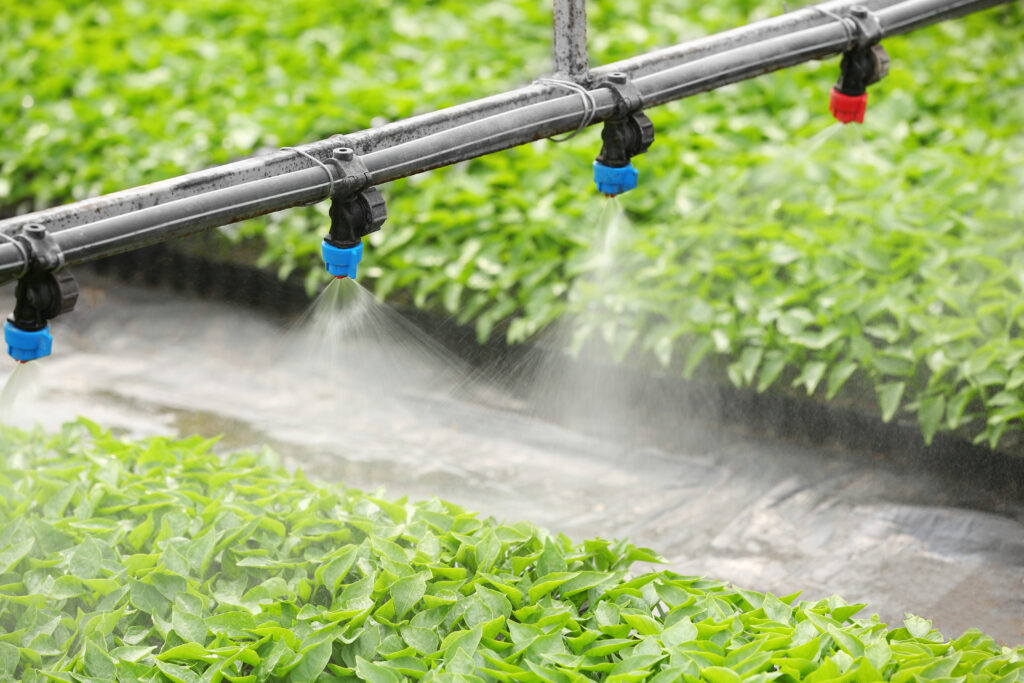
The transition from a highly controlled greenhouse environment to the harsh conditions of a retail big-box store is the most critical phase in a plant’s commercial journey. While greenhouse growers prioritize high drainage to maximize root aeration and rapid growth, box stores need maximum water-holding capacity to survive irregular watering schedules, or a lack of watering all together. Balancing these conflicting priorities requires strategic substrate management.
Mix Selection and Strategic Compromises
The tug-of-war between grower efficiency and retail shelf life begins with mix selection. Growers often rely on amendments like perlite to improve drainage and prevent overwatering in the greenhouse. However, an abundance of perlite shortens retail shelf life by reducing the overall substrate water reserve, thus accelerating substrate drying.
Is wood fiber better than perlite for holding water?
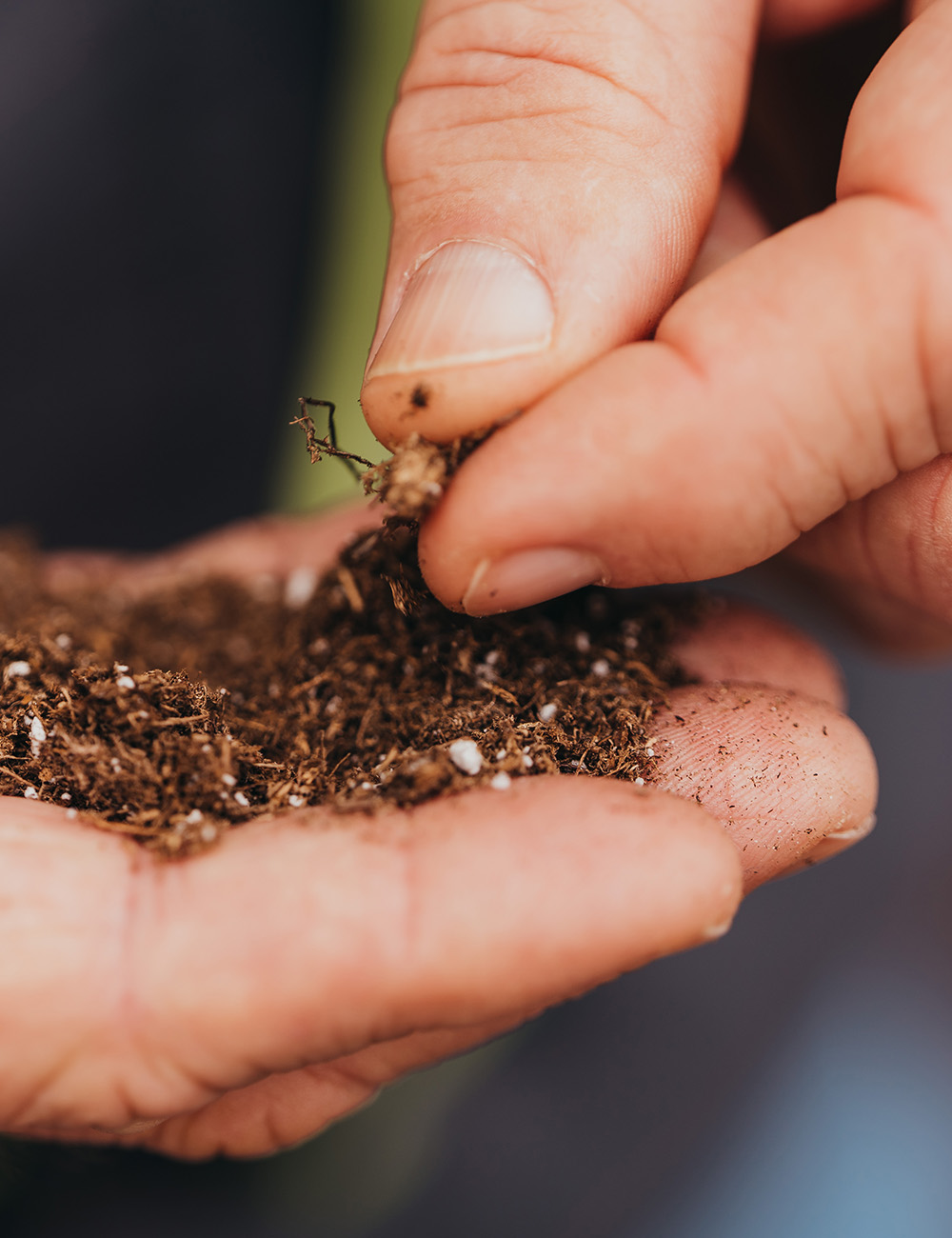
To extend shelf life, growers must lean toward components with superior water retention and distribution. Fine-fibered, high-quality peat moss retains substantial moisture, but incorporating engineered wood fiber adds a distinct advantage. Unlike perlite, preconditioned wood fiber provides excellent macro-porosity for drainage while maintaining strong capillary action.
This lateral water movement prevents channeling and ensures that sporadic retail watering reaches the roots. Additionally, each wood fiber strand will retain a small film of water after irrigations that help to keep the soil humid for longer. Replacing a portion of perlite with a strategic peat and wood fiber blend can preserve moisture without sacrificing production quality.
At a glance: how each component behaves at both ends of the journey
Component |
In the greenhouse |
On the retail shelf |
| Perlite | Improves drainage, prevents overwatering | Reduces the overall substrate water reserve, accelerating drying |
| Fine-fibered peat moss | Retains substantial moisture | Sustains the water reserve between waterings |
| Engineered wood fiber | Macro-porosity for drainage, strong capillary action | Lateral movement prevents channeling, and a film of water on each strand keeps the substrate humid longer |
How does container geometry affect dry-down?
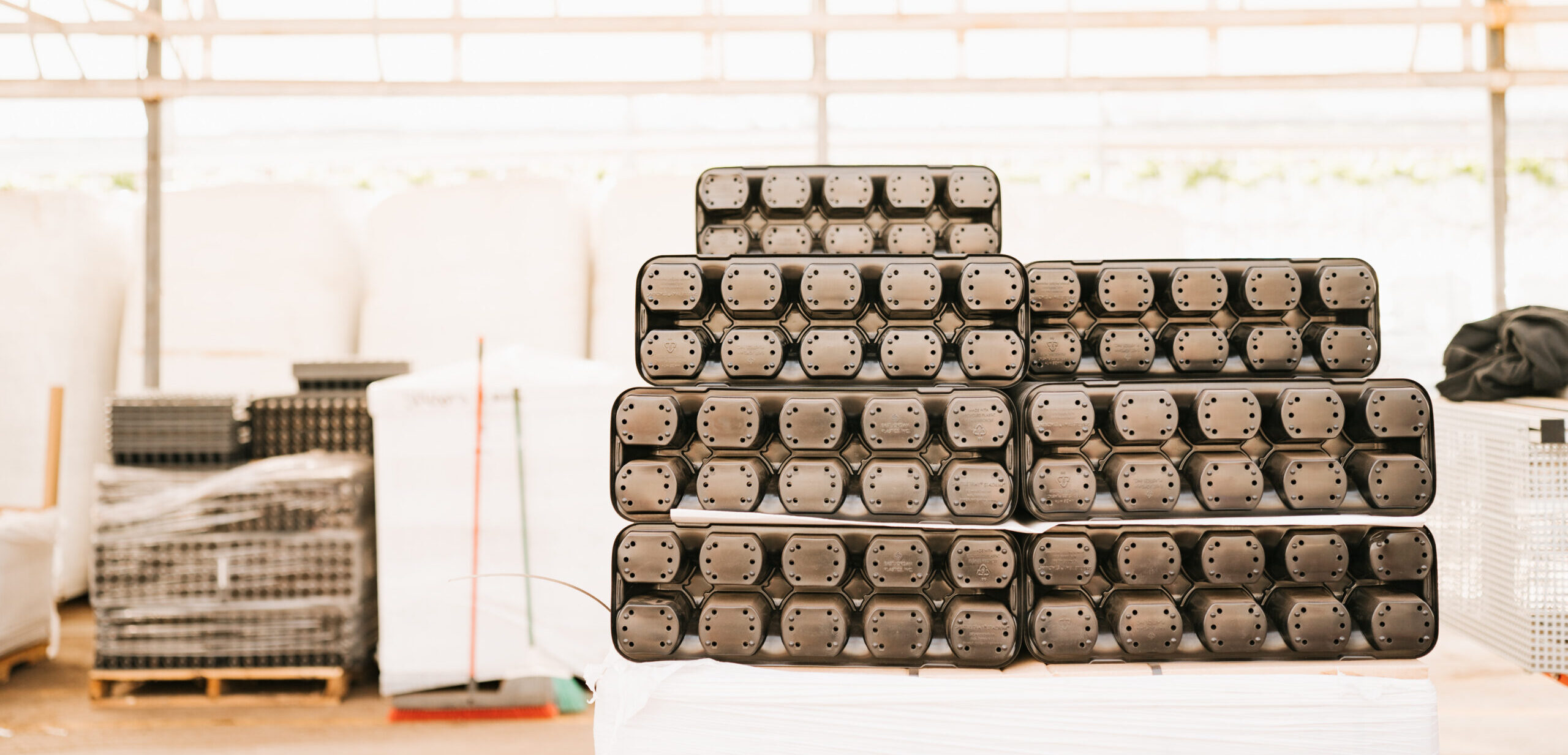
Container geometry is another main driver dictating root zone physics. Shorter pots reduce gravitational drainage, creating a restrictive perched water table that increases moisture retention but compromises aeration. Taller containers maximize vertical drainage, expanding air space while flushing nutrients. Consequently, expanding container volume provides the essential water and nutrient reservoir needed to buffer plants against erratic retail drying cycles.
At a glance: container shape and root zone physics
Container shape |
Gravitational drainage |
Air space |
Moisture retention |
| Shorter pot | Reduced | Compromised aeration | Higher, from a restrictive perched water table |
| Taller pot | Maximized vertical drainage | Expanded | Lower, and nutrients are flushed |
Maximizing Post-Production Moisture
Growers can implement several cultural practices to safeguard plants against retail dehydration. One effective strategy is applying a refreshing dose of wetting agent during the final irrigation cycle before shipping. This ensures the substrate re-wets easily and retains maximum moisture during transport and display. It is important to follow manufacturer recommendations to avoid any potential toxicity issues.
Additionally, applying a top-dressing acts as a physical barrier against evaporation. Utilizing vermiculite in seedling trays, and rice hulls or wood shavings on annual crops, seals in moisture and keeps the root zone hydrated longer.
Looking Ahead
The horticultural industry is actively developing advanced materials to resolve the tension between greenhouse drainage and retail longevity. New wetting agent technologies are emerging that regulate moisture dynamically, releasing water only as the substrate dries out.
Material science is also introducing biogels and nanocellulose fibers. These polymers can absorb hundreds of times their weight in water without sacrificing the structural pore space needed for root respiration. As these advancements become commercially viable, they will allow growers to achieve rapid greenhouse production while delivering a highly resilient product to the retail shelf.
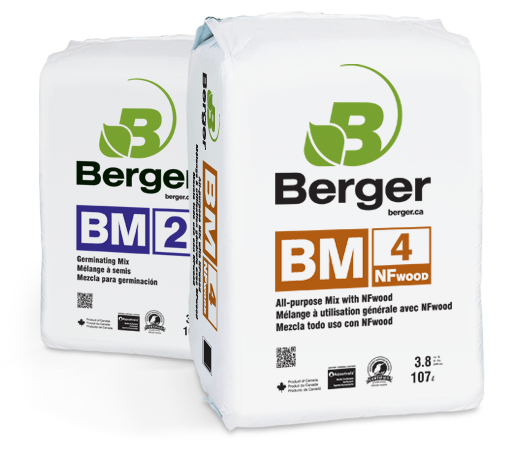
Which Berger mix fits your retail program?
Selecting the right growing media ensures your crops thrive in the greenhouse and stay vibrant on the retail shelf.
To find the mix that fits your operation, contact our sales team.
Frequently asked questions
Does perlite shorten retail shelf life?
An abundance of perlite shortens retail shelf life by reducing the overall substrate water reserve, which accelerates substrate drying. Perlite still earns its place in the greenhouse, where it improves drainage and prevents overwatering.
Can wood fiber replace perlite completely?
The approach here is partial replacement. Replacing a portion of perlite with a strategic peat and wood fiber blend can preserve moisture without sacrificing production quality.
Do shorter pots hold more water than taller pots?
Yes. Shorter pots reduce gravitational drainage and create a restrictive perched water table, increasing moisture retention but compromising aeration. Taller containers maximize vertical drainage, expanding air space while flushing nutrients.
When should a wetting agent be applied before shipping?
During the final irrigation cycle before shipping. This ensures the substrate re-wets easily and retains maximum moisture during transport and display. Follow manufacturer recommendations to avoid any potential toxicity issues.
What can be used as a top-dressing to slow evaporation?
Vermiculite in seedling trays, and rice hulls or wood shavings on annual crops. A top-dressing acts as a physical barrier against evaporation and keeps the root zone hydrated longer.

About the author:
Jack Bobo – PhD, R&D Grower Advisor
Jack Bobo earned his PhD at NC State University under Dr. Brian Jackson, researching the chemistry and phytotoxicity of wood-based substrates in growing media. He holds a master’s in horticultural science from the University of Georgia and a horticulture degree from Texas A&M. As an R&D Grower Advisor, he works with growers and researchers to support product innovation and troubleshoot production challenges.