Wood Components in Growing Media: Types and Key Differences
As the horticulture industry explores alternatives to peat, wood components in growing media are increasingly common in professional mixes. These materials come from similar raw inputs, primarily softwood (conifer) sapwood, but differences in processing lead to distinct physical properties that will affect their behavior in the final substrate. Understanding how each refining method influences structure, porosity, and water movement helps growers select mixes suited to their production systems.
This article outlines four wood-based components used in commercial substrates today: disc-refined wood fiber, screw-extruded fiber, hammer-milled wood, and sawdust, with a focus on how their manufacturing methods relate to rootzone dynamics.
The Growth of Engineered Wood Fiber
Over the past decade, dedicated wood refining equipment for horticultural use has expanded significantly worldwide. These systems convert softwood chips (with or without bark), typically a byproduct of the timber industry, into fibers with controlled dimensions and predictable properties. Unlike unprocessed sawdust or agricultural residues, engineered fibers are manufactured to create specific pore structures and water air relationships within a mix.
Key Characteristics of Wood Components in Growing Media
Before diving in to each type of wood substrate, it is important to note that there are many similarities in the final product across all wood substrate engineering processes.
- Wood is inherently more hydrophilic than peat, therefore it can be easier to rewet peat mixes that contain wood materials
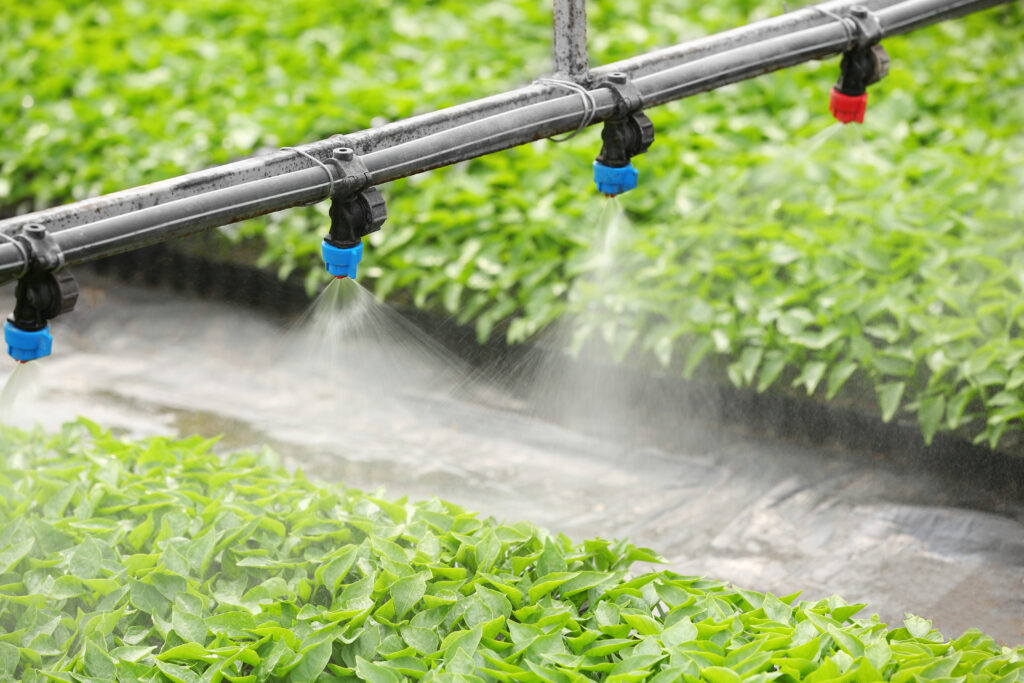
- Due to its high surface area, substrates with wood products dry faster on the surface, which can trick growers into overwatering. This makes it important to properly read moisture and adjust irrigation practices in wood fiber substrates
- When using mixes with wood components, Berger recommends a “weight based” approach to watering, rather than relying on visual cues
- Wood based materials can be stored for years if kept dry
- Nitrogen tie up occurs in all wood products to some degree but it is typically of no concern if wood is less than 30% of the total incorporated mix
The following are broad observation typical to wood substrate type.
For a deeper understanding of irrigation and moisture behavior :
1. Disc-Refined Wood Fiber
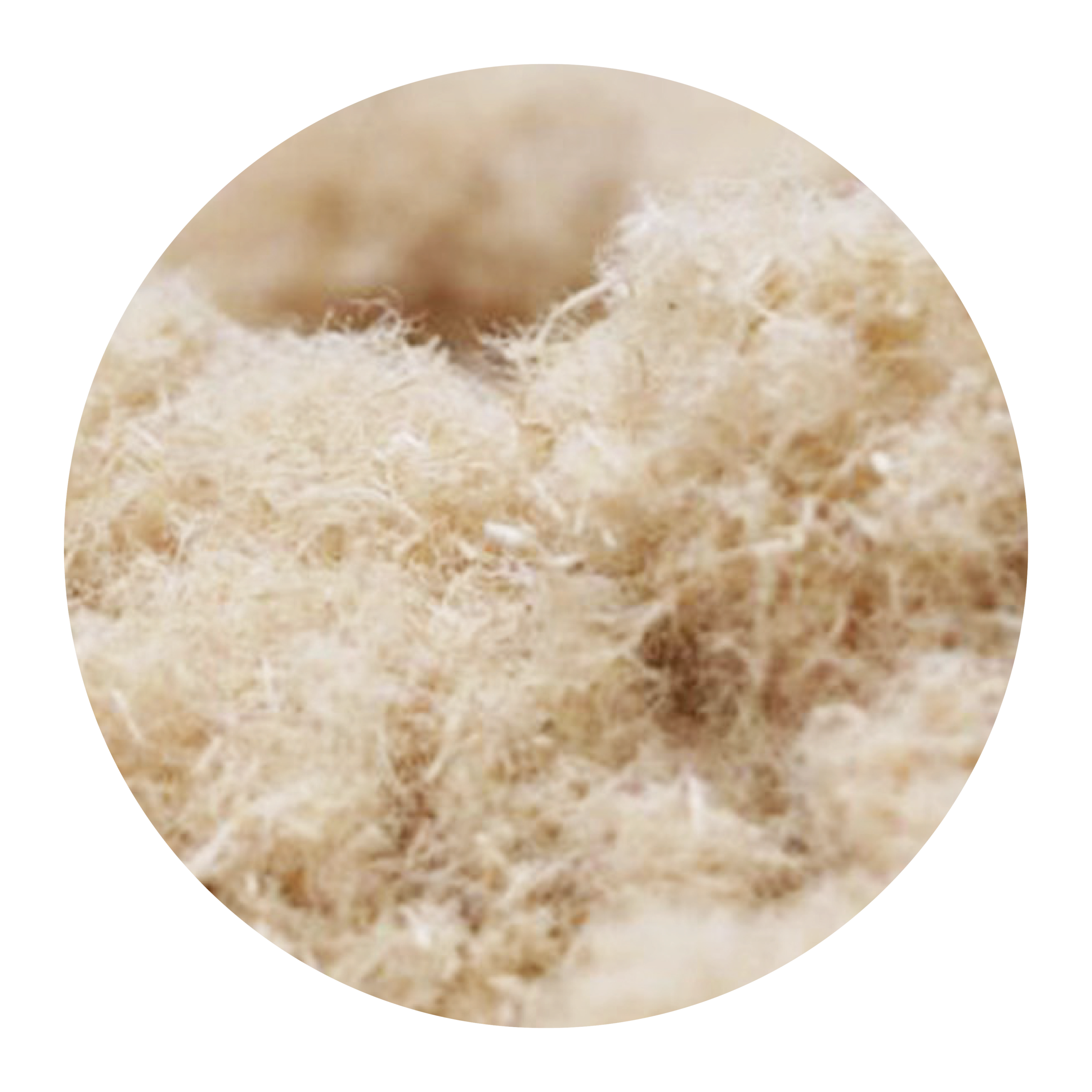
How it’s made
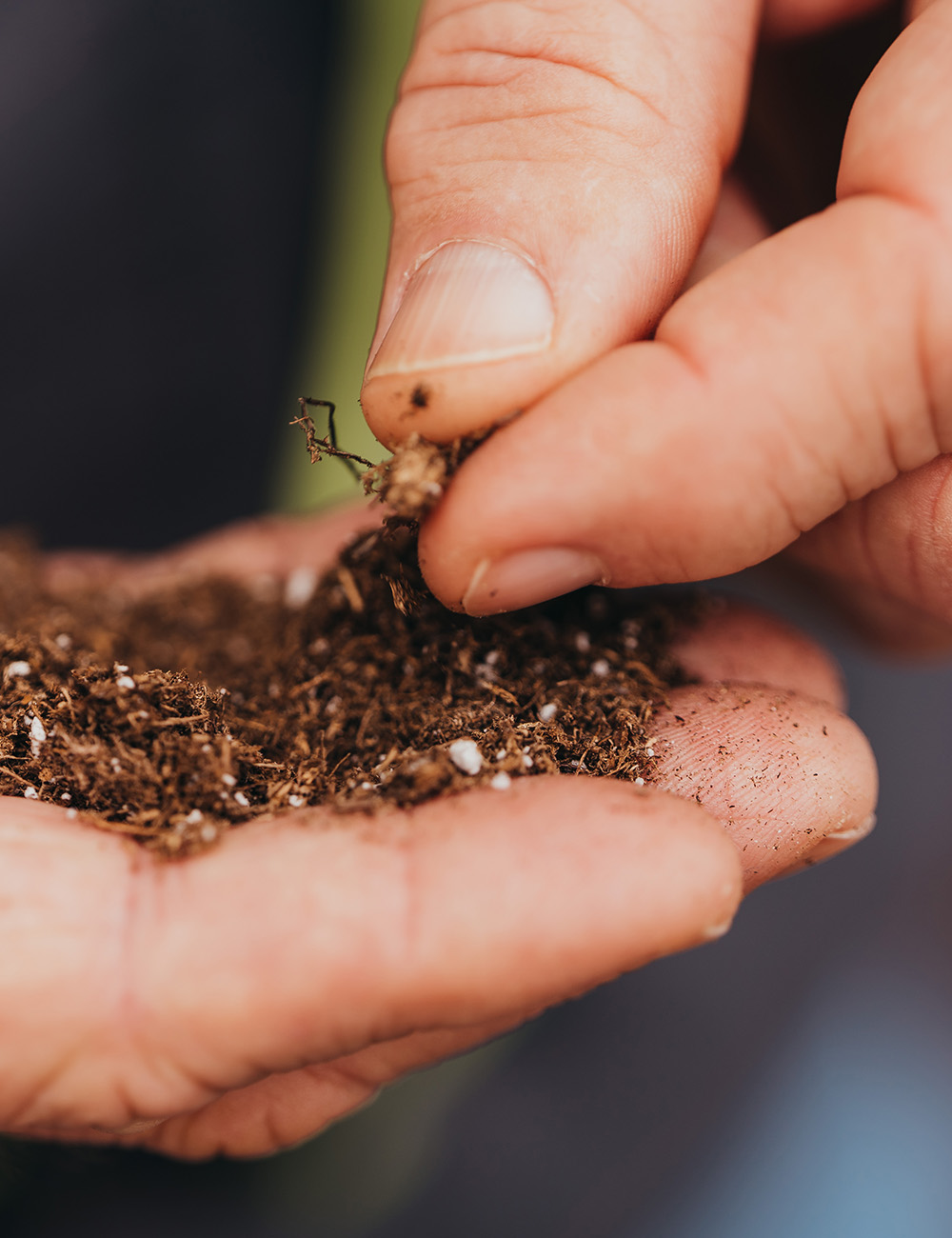
Disc refiners use two opposing metal discs, one rotating and one stationary, to shear wood chips into elongated fibers with relatively uniform size and texture.
Typical substrate behavior
Disc-refined fibers tend to integrate evenly with peat, forming a stable pore network that supports rapid root exploration and balanced air-water ratios across a range of crops and container sizes. Can be engineered to provide different fiber sizes.
General characteristics
- Produces consistent fiber lengths.
- Can produced different grades
- Creates interconnected macropores that support aeration and drainage.
- Provides capillary pathways that assist moisture distribution and rewetting.
- High heat during processing is associated with lower phytotoxicity in the final product.
- Easily compressed and contributes to a lower bulk density in blends.
2. Screw-Extruded Wood Fiber
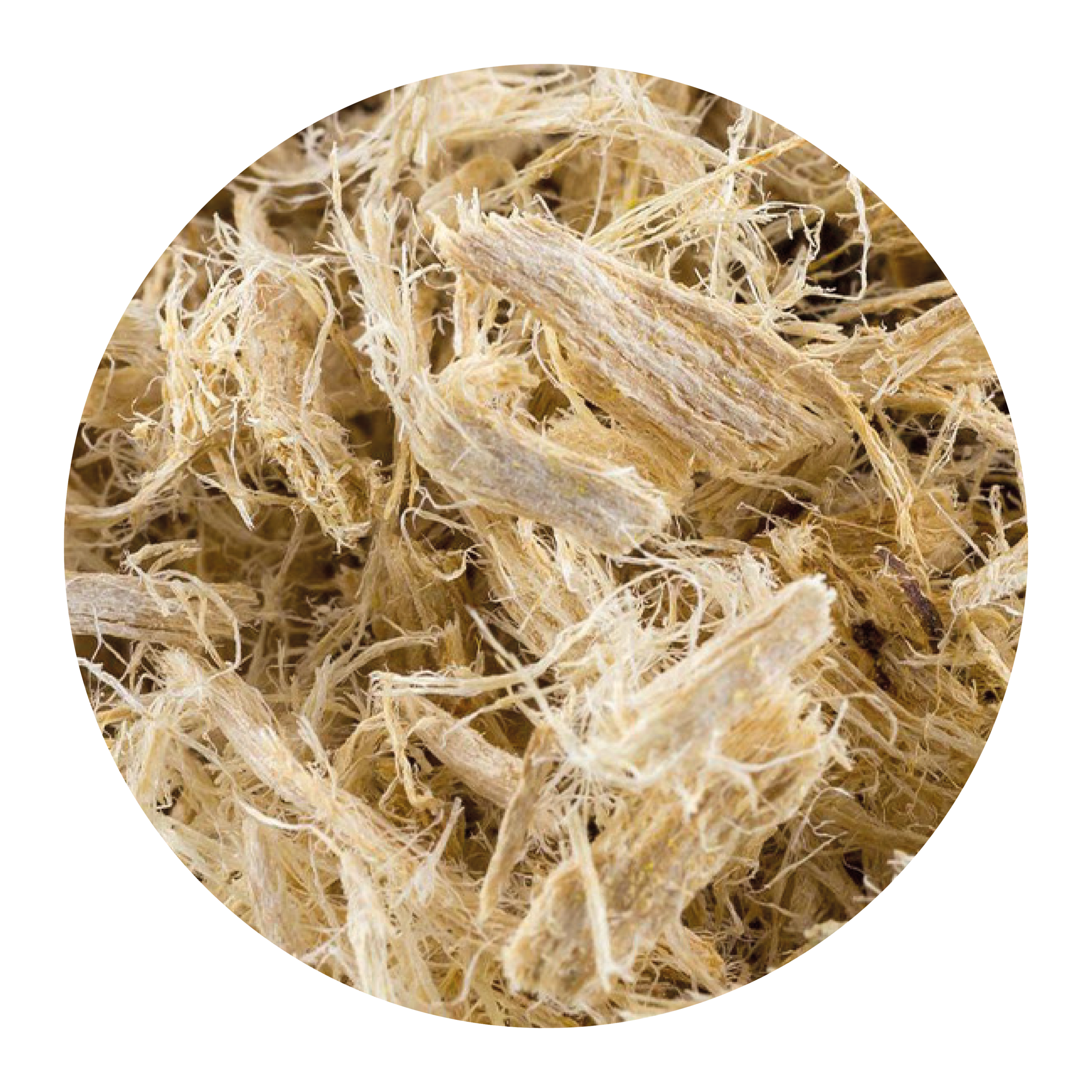
How it’s made
Twin screws compress and push wood chips through narrow channels, producing longer, wider fibers with a coarser texture.
Typical substrate behavior
Screw-extruded fibers are often used where rapid air exchange is desirable. Their coarser texture allows more frequent irrigation but may be less suited to very small cells or environments with quick dry down.
General characteristics
- Larger average fiber size, often with more variation than disc-refined fiber.
- Can provide high aeration and faster drainage.
- Typically holds less water compared to disc-refined wood due to coarser structure.
- High heat during processing is associated with lower phytotoxicity in the final product.
- Easily compressed in bales or mixed in towers
3. Hammer-Milled Wood
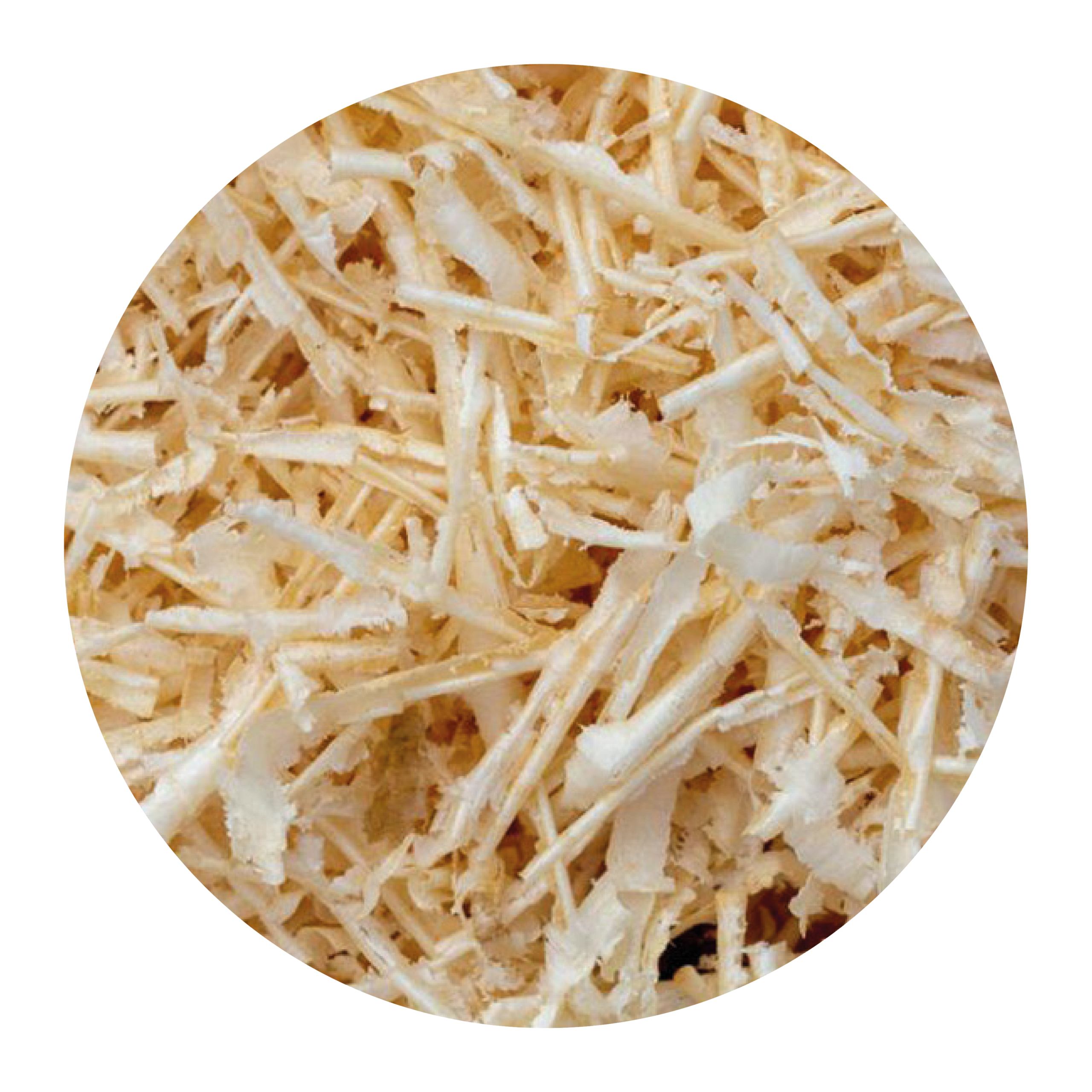
How it’s made
Hammer mills use rotating hammers to break wood chips into fragments to pass through a screen to produce a desired particle size. This process is common in other industries and not specifically designed for horticultural substrate refinement. There are currently no commercial hammer-milled wood products available on the market today.
Typical substrate behavior
High porosity associated with hammer-milled wood typically leads to increased dry down time when used in a peat-based mix. Due to the low generated heat during processing, there can be phytotoxic chemicals left behind in these particles; further steps must be taken to alleviate the wood of these chemicals, such as aging or drying.
General characteristics
- Not a true fiber, though consistent particle size
- Higher porosity than engineered fibers.
- Water behavior is variable, depending on source wood and milling intensity.
4. Sawdust
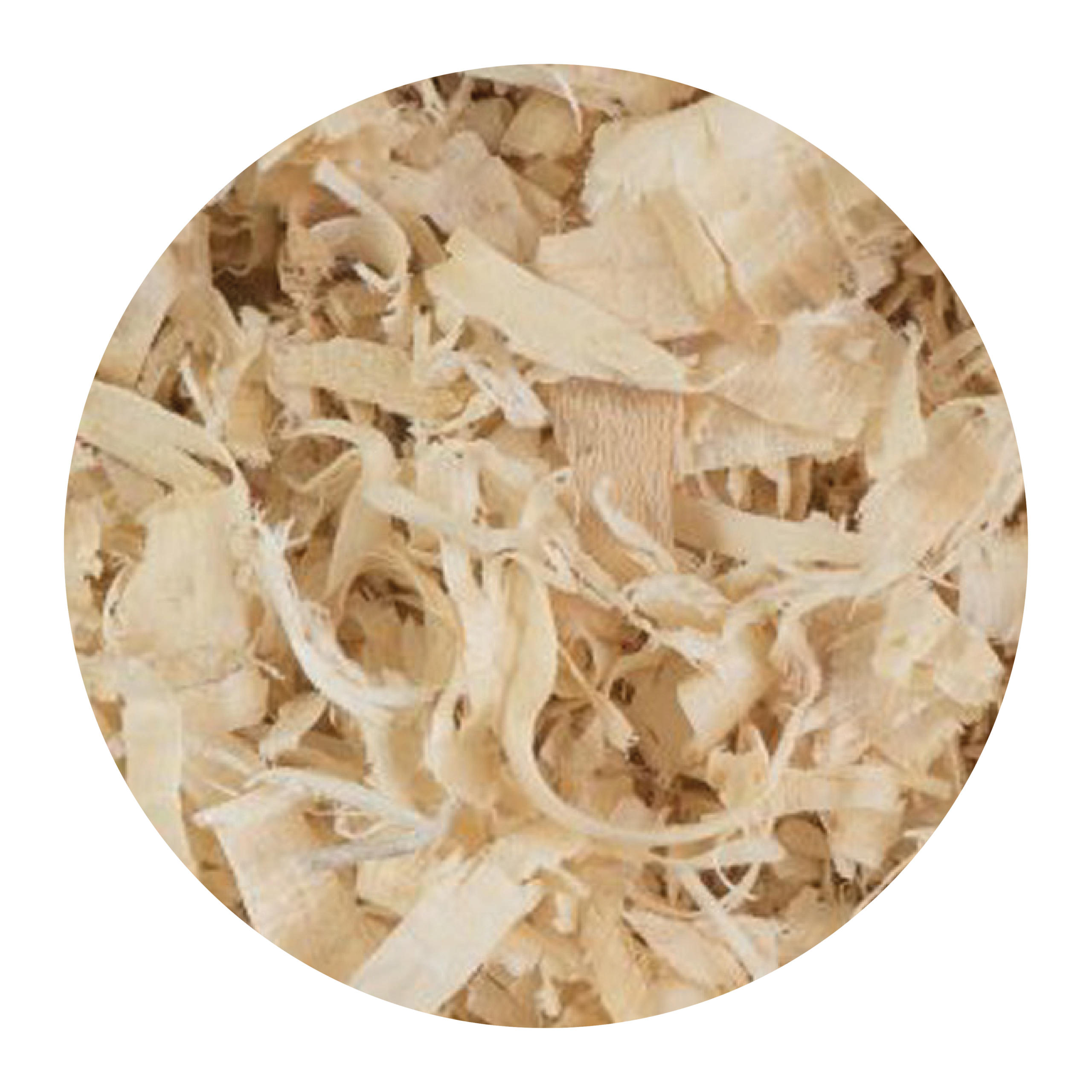
How it’s made
Sawdust is a direct byproduct of cutting and milling lumber, without additional refining.
Typical substrate behavior
While sawdust may be incorporated in certain localized or cost driven production systems, its physical behavior differs significantly from engineered fibers, particularly in terms of stability, porosity, and water distribution. With a high degree of particle size distribution, it is often difficult to maintain consistent physical properties across production systems if used on a larger scale. Furthermore, these sawdust particles can often have residual phytotoxic chemicals (like hammer-milled products listed previously) and need to be aged before using.
General characteristics
- Wide particle size distribution, from fines to small chunks.
- Can decompose or change structure as it ages.
- Fresh sawdust has a high potential to temporarily tie up nitrogen due to microbial activity.
- Aged sawdust can become hydrophobic.
Key Differences Across Wood Materials
Processing method strongly influences water movement and air availability in mixes:
- Disc-refined fibers typically create a mix with balanced aeration and water holding capacity.
- Screw-extruded fibers offer a coarser fiber that assist in increased air and water holding.
- Hammer-milled wood are high in porosity and long-term physical stability.
- Sawdust can be unpredictable in physical and chemical characteristics.
These differences matter for crops with specific aeration needs, for irrigation systems with particular application patterns, and for growers aiming for consistent physical performance throughout the production period.
Summary
Wood based components are increasingly important in growing media, but their performance depends largely on how the wood is refined. Disc-refined and screw-extruded fibers are engineered materials that offer predictable physical properties tailored to modern greenhouse production. Hammer-milled wood and sawdust, while still interesting in some contexts, generally provide less uniform behavior due to their broader particle size and less controlled structure.
Understanding how each fiber type influences aeration, water distribution, and stability allows growers to choose mixes that best align with their crops, container sizes, and irrigation strategies.