Water Management in Wood Fiber Growing Media
Author: Jack Bobo
Wood fiber blends are no longer a niche choice; they’re becoming a standard tool for growers who want both performance and resilience. The key to getting the most out of these mixes is understanding water: how it enters, moves, is stored, and interacts with air space. Think of a peat & wood-fiber medium as a system that behaves both like a sponge (water storage) and a set of lungs (aeration) at the same time. Mastering that duality is what separates average outcomes from exceptional rooting, compact growth, and predictable schedules.
Why Use Wood Fiber in Growing Media?
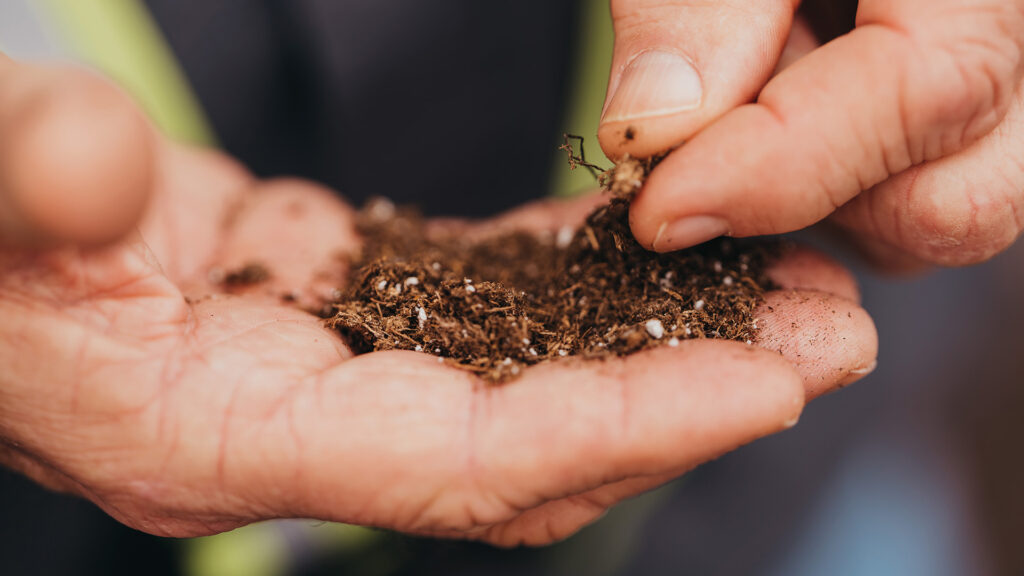
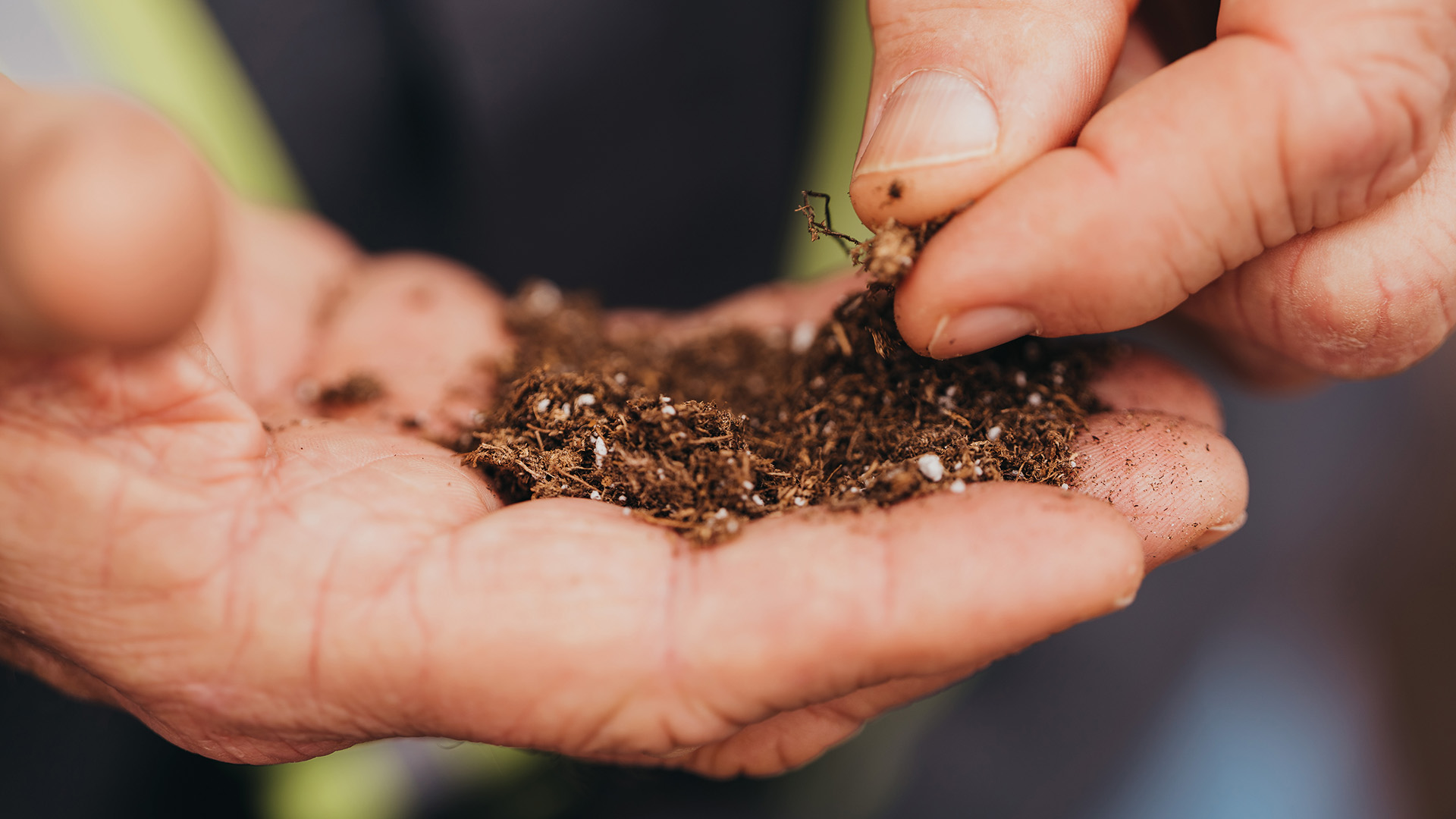
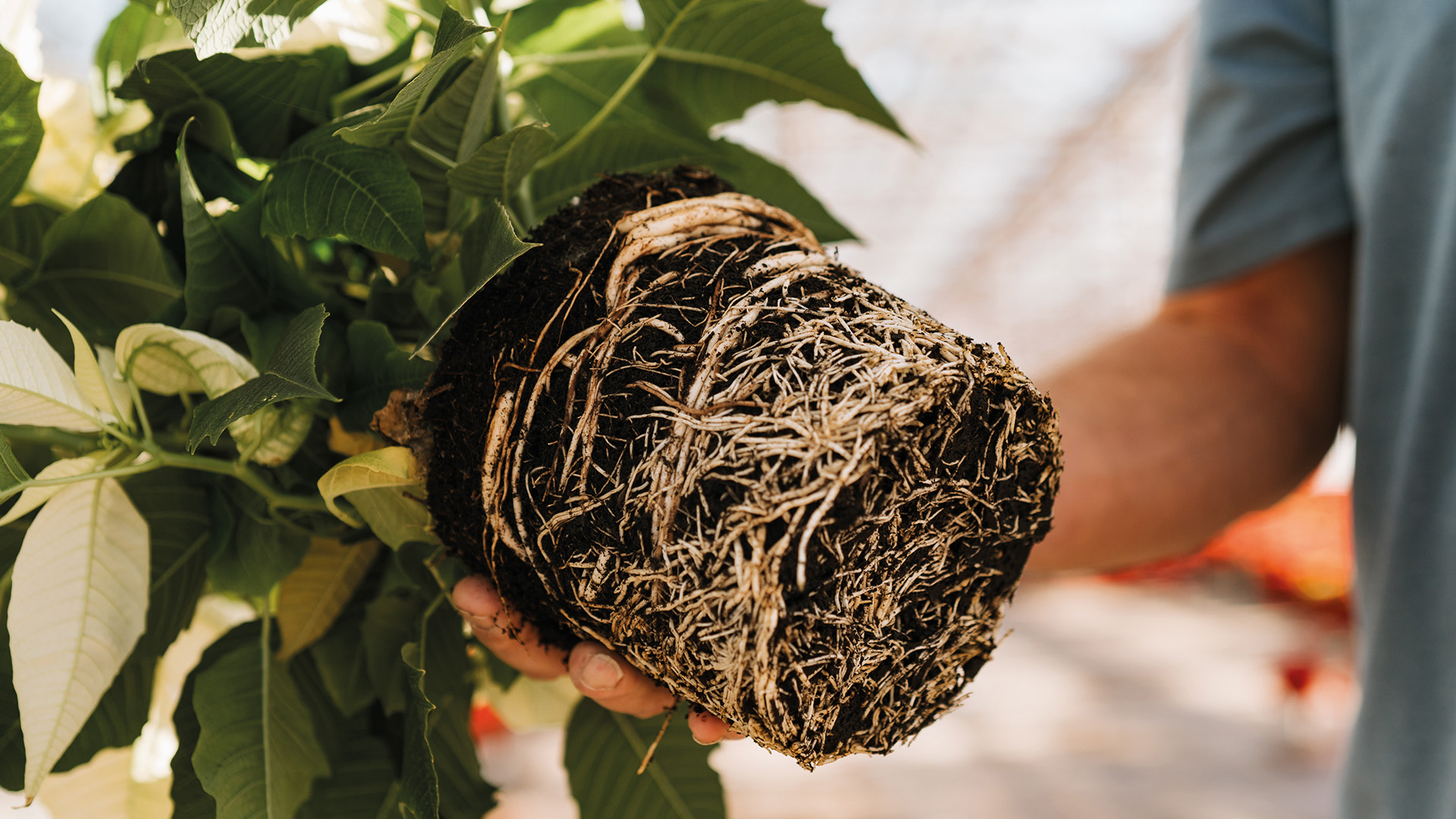
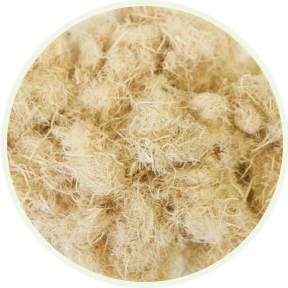
Professionally refined softwood fibers (from processes such as disc refining or screw extrusion) are prized because they lower bulk density, stabilize structure, and increase air porosity. That structural porosity forms stable macropores (the “lungs”) that keep oxygen available even when irrigation is generous. The result is faster, deeper, and more uniform rooting with less circling toward pot edges in search of oxygen. It also means the mix is more forgiving if someone gets heavy‑handed with the hose.
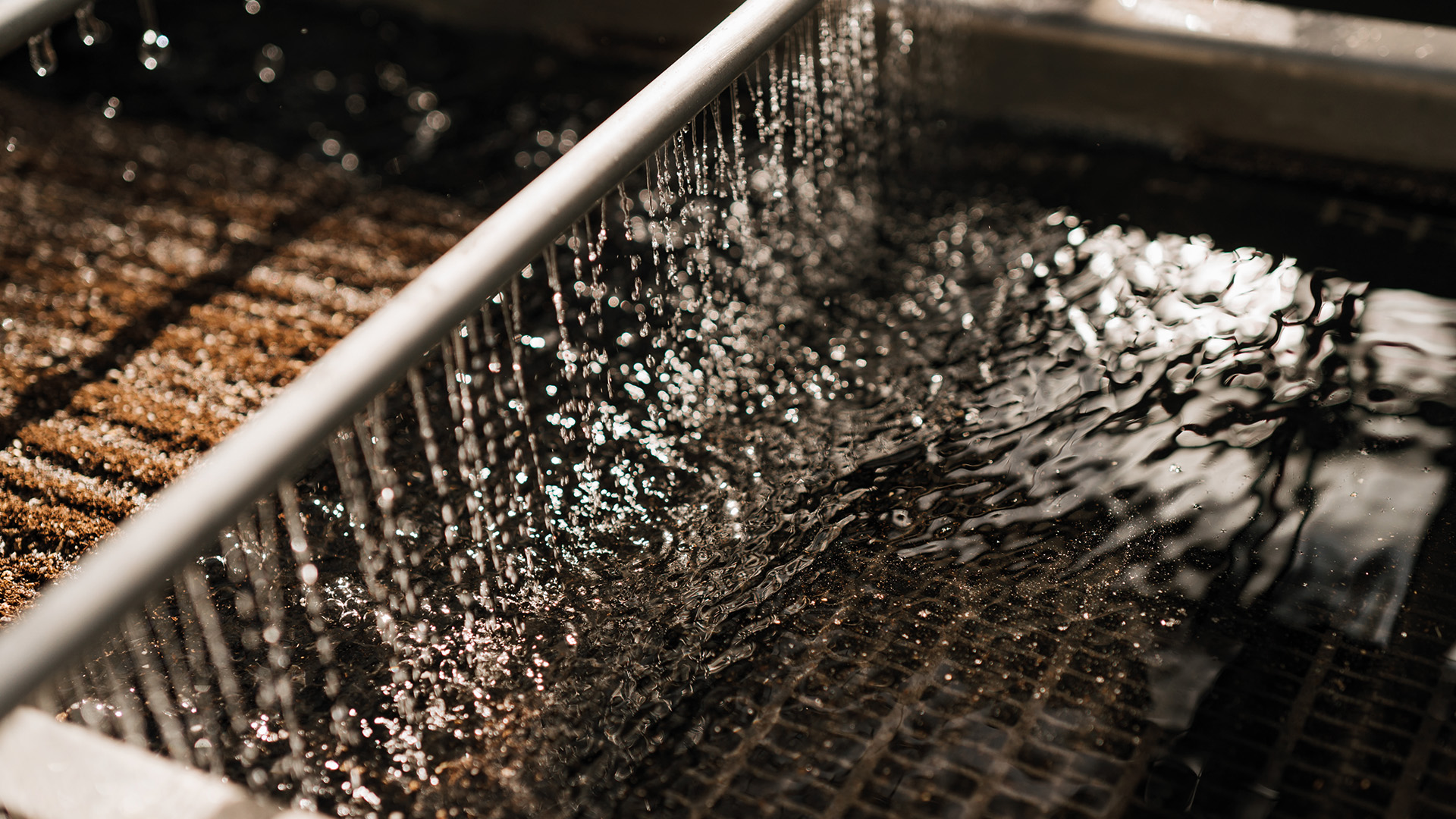
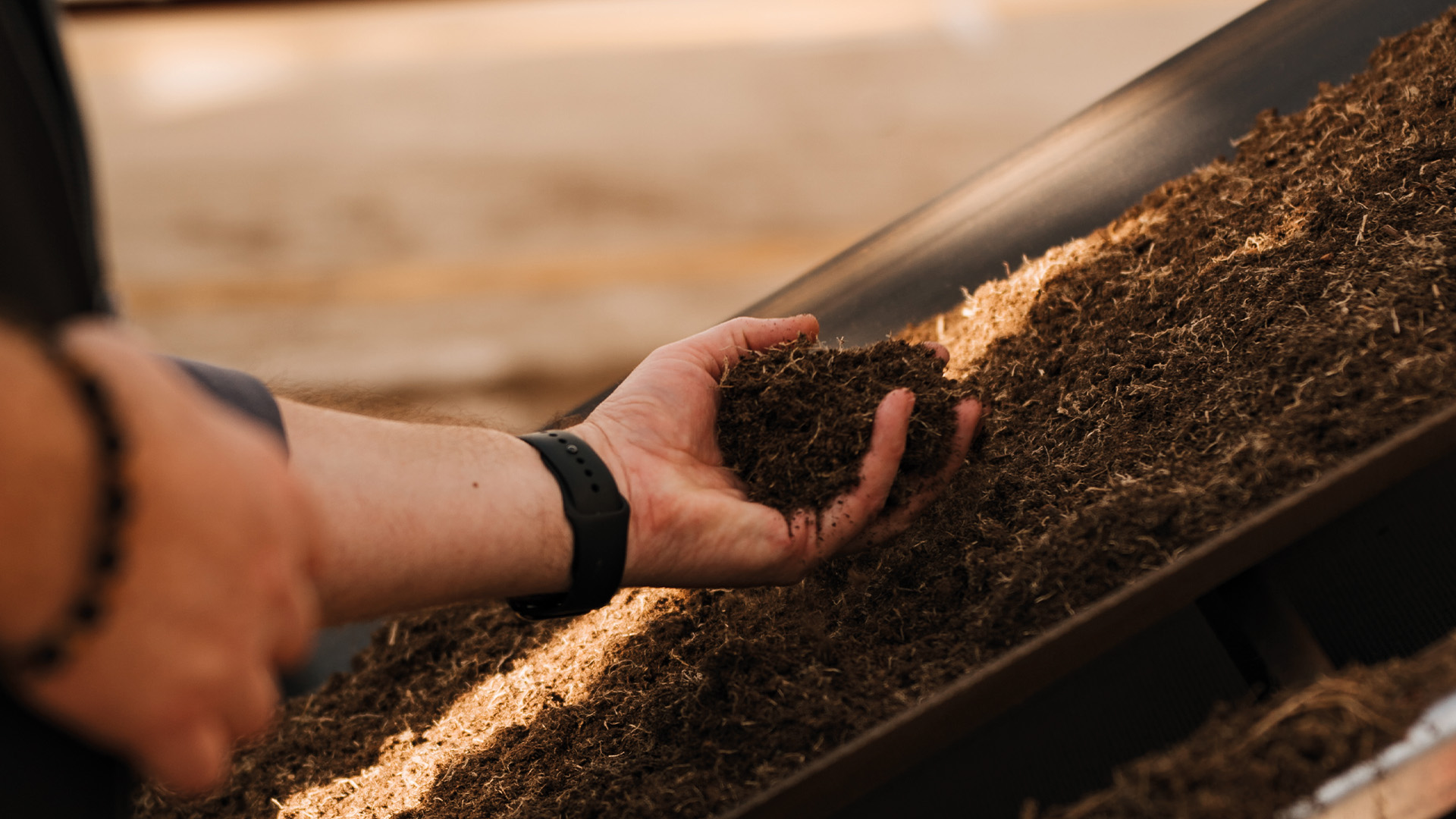
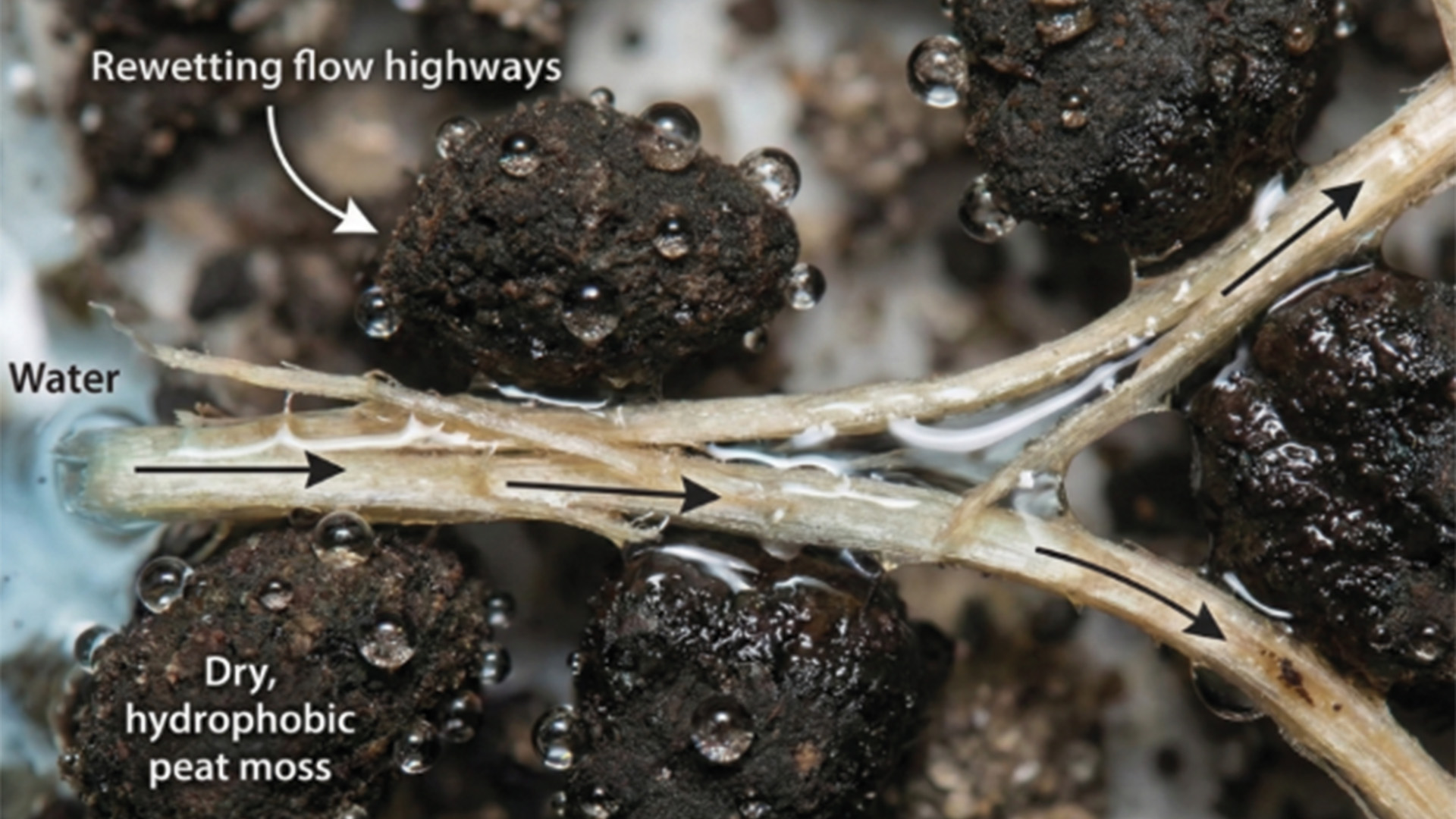
Unlike raw peat, which is naturally hydrophobic when dry due to waxy cuticles, wood fiber made from sap wood is hydrophilic. In blends, fibers nest with peat particles to create continuous pore networks that wick and distribute water laterally and vertically, making moisture more uniform across the root zone. Wetting agents are still important partners to optimize water distribution: they temper peat’s hydrophobia and help the system take on water evenly from day one.
Rethinking the Moisture Curve in Wood Fiber Growing Media
A useful way to visualize differences among growing media is the soil moisture tension curve. As tension increases when the substrate dries, each substrate releases water at different rates. Wood‑fiber mixes hold usable water while maintaining higher air porosity than many peat‑perlite standards, especially at low tensions where plant uptake is most active. Practically, that means there’s readily available water without suffocating roots, provided we don’t collapse pores with chronic oversaturation.
While we don’t usually think about it that way, air porosity is the primary defense against root diseases like Pythium. These pathogens thrive in low‑oxygen, overly saturated substrates; maintaining open air channels ensures continuous gas exchange, making the environment far less favorable for infection and disease progression.
The “Perception Paradox”: Does It Hold Too Much Water?
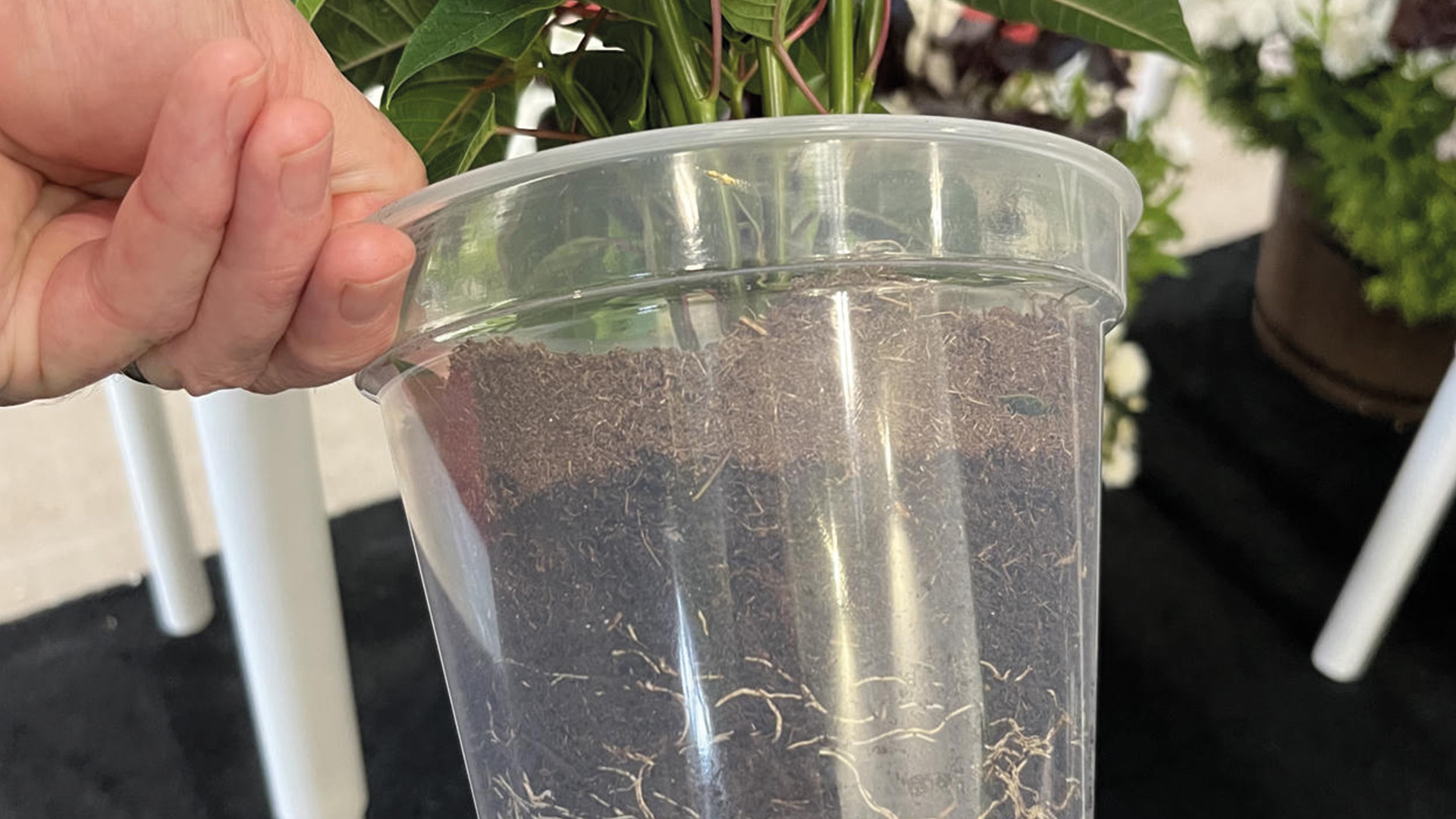
Growers new to wood fiber sometimes report that mixes “hold too much water.” Lab data often show the opposite: higher air porosity than their usual peat‑perlite. What’s happening is a perception paradox. The top inch of a wood fiber blend dries faster because of the blend’s high surface area; visually, it can look droughty. Meanwhile, the lower profile retains both usable moisture and oxygen. If we water based only on the top layer’s appearance, we tend to over‑irrigate, driving air out, collapsing structure, and creating compaction. The fix is to recalibrate when and how we water.
Calibrate Your Hands (and Your Team)
When should you irrigate wood fiber growing media? Two simple practices for managing water in wood fiber growing media:
Lift‑and‑feel method:
Immediately after proper hydration, pick up several containers and memorize the “full” weight. During dry‑down, lift again and feel for target weight losses before re‑watering.
Eye test (with a twist):
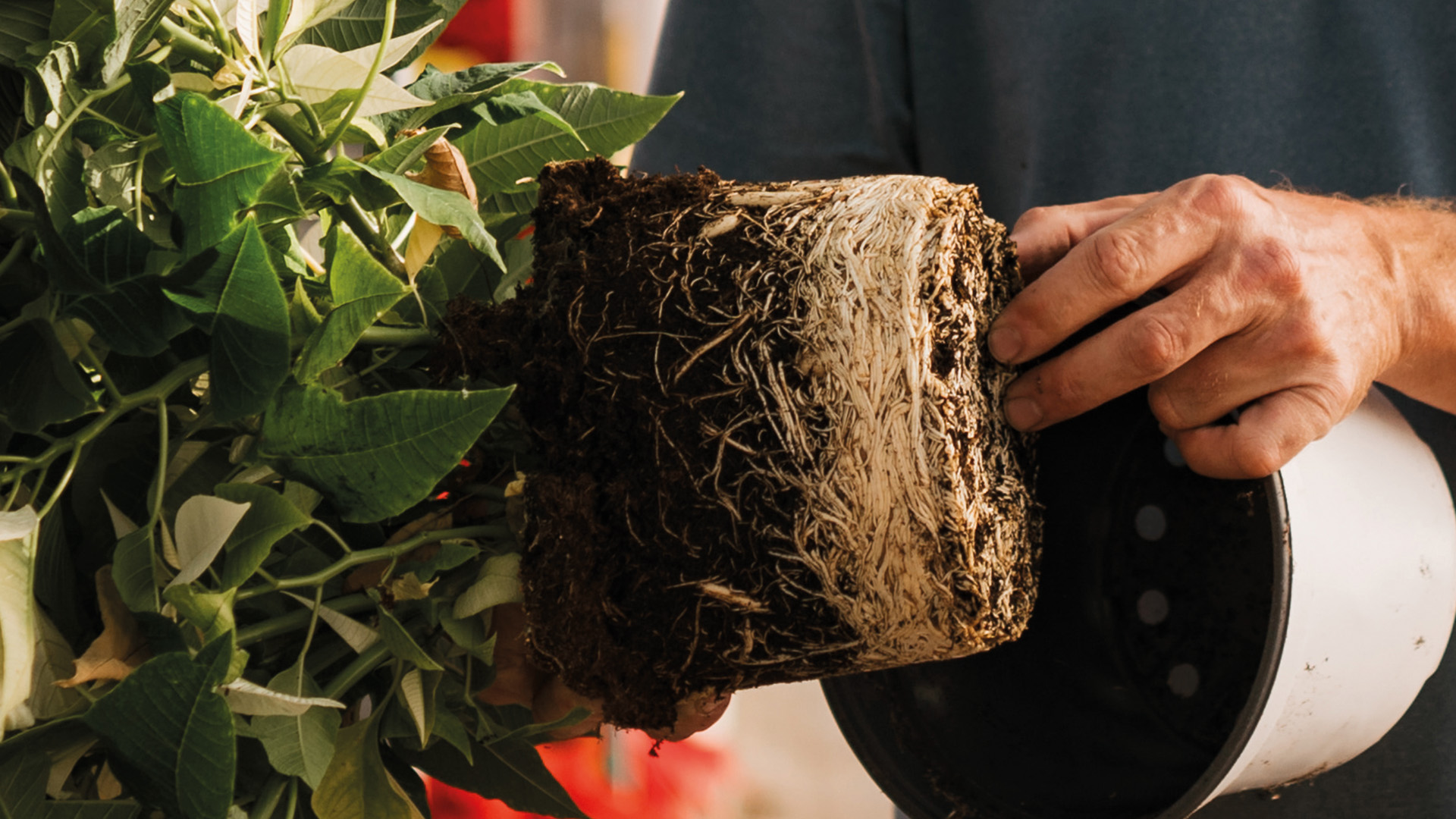
Don’t judge by surface dryness alone. Pop a plant from the pot, look at the moisture gradient through the bottom of the container, and confirm dryness by feel. Expect a dry cap on top and moisture deeper down; that’s normal in wood fiber mixes.
For example:
- BM4 (peat + higher wood fiber): irrigate when pots have lost roughly 20–25% of their maximum weight.
- BM5 (hybrid bridge mix): irrigate at about 30–35% weight loss.
- BM6 (peat‑perlite family): irrigate at 35–45% weight loss.
These ranges translate differences in AFP and buffering into a simple tactile cue anyone can learn.
Initial Hydration and Irrigation for Wood Fiber Media
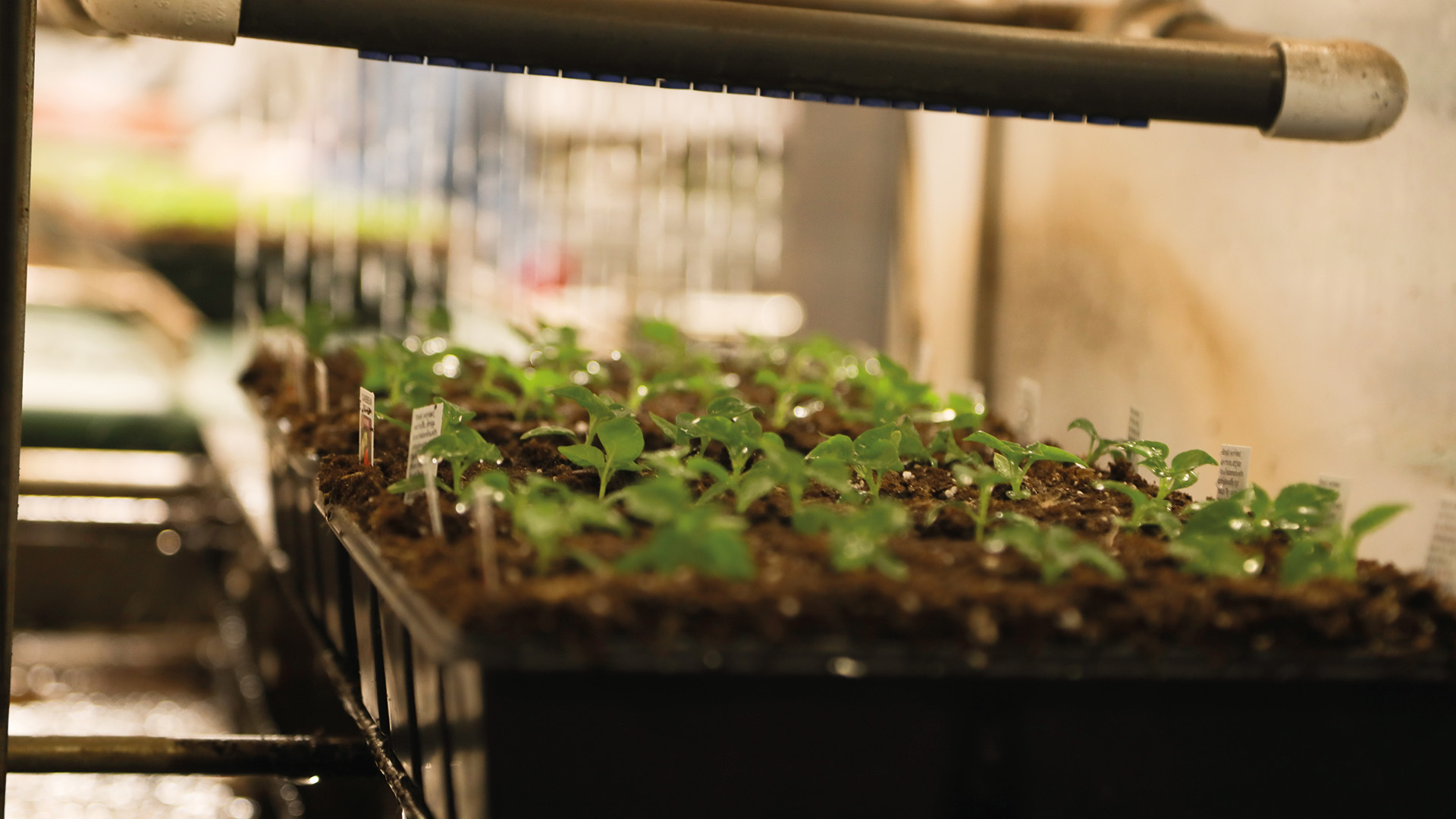
Everything goes better when initial hydration is correct. Pre‑moisten mixes to 55-65% water content before potting to allow proper peat particles expansion and maximum yield. After transplant, avoid immediate saturation. Water lightly and only as needed to keep plugs/liners moist; let roots seek the moisture reservoir deeper in the pot, then branch laterally. This early restraint drives roots down, shortens time‑to‑finish, and reduces early disease pressure.
In the first week, use shorter, more frequent events rather than long soaks. As roots establish, move toward standard practice with a ~10% leachate fraction (runoff) when fertigating or leaching. That’s sufficient to prevent salt build‑up without pushing the medium into chronic saturation.
Water Movement in Wood Fiber Growing Media
One strength of peat & wood fiber blends is how water moves both vertically and laterally through the matrix. Growers see uniform wetting even when emitters are placed toward the edge of large containers; the fiber network acts like capillary “highways”, carrying water across the profile. That uniformity supports consistent EC and pH, fewer dry pockets, and homogenous rooting throughout, not just along pot walls.
Fertility, pH, and Buffering
Wood fiber brings a lower pH buffering capacity than peat and typically has an intrinsic pH near ~4.5. The fiber’s micro‑pore structure helps retain fertilizer solution in the profile, which can enhance nutrient efficiency when irrigation is well‑managed. On the biological side, very high wood‑fiber inclusions can encourage microbial nitrogen drawdown. Trials and growers experience show minimal to no nitrogen issues with incorporation rates below 30%. If you push inclusion rates higher, plan to watch plant color and growth and be ready to adjust early‑stage N.
Product Family Nuances (BM4, BM5, BM6)
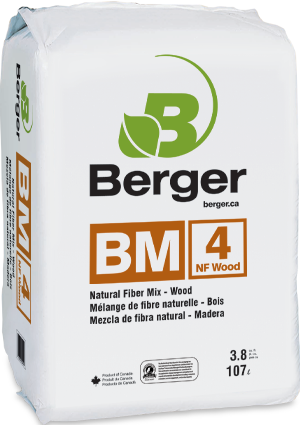
BM4 (higher wood-fiber):
What to expect:
- High aeration
- Faster surface dry-down (helps with fungus gnats/shore flies)
- More reactive irrigation window
Irrigation approach:
- Use smaller doses more often
- Avoid bone-dry cycles to prevent re-wetting difficulty
- Irrigate at ~20-25% weight loss
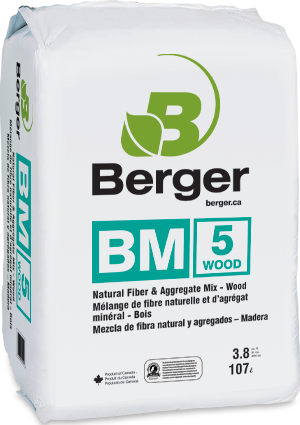
BM5 (hybrid bridge):
What to expect:
- Balanced and forgiving
- Useful transition for teams moving from peat-perlite to peat/wood-fiber mixes
Irrigation approach:
- Irrigate at ~30-35% weight loss
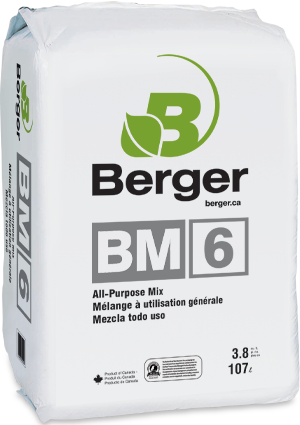
BM6 (peat-perlite):
What to expect:
- Highest drainage among the three blends
- More tolerant of longer intervals between irrigation events
- More forgiving of occasional overwatering
Irrigation approach:
- Irrigate at ~35-45% weight loss
Operational Tips: Filling, Compaction, and Cuttings
Wood fiber blends can be springier at fill. If you use automated lines, you may need to tweak belt speed, hopper aim, roller pressure, or transplanter depth to achieve a uniform profile and firm but not compacted contact with stems or plugs. That same close contact supports direct stick success: keep mist focused on keeping cuttings turgid, avoid soaking the media surface, and let the medium hold the stem securely with abundant oxygen for rapid callus and root emergence.
Results You Can Expect
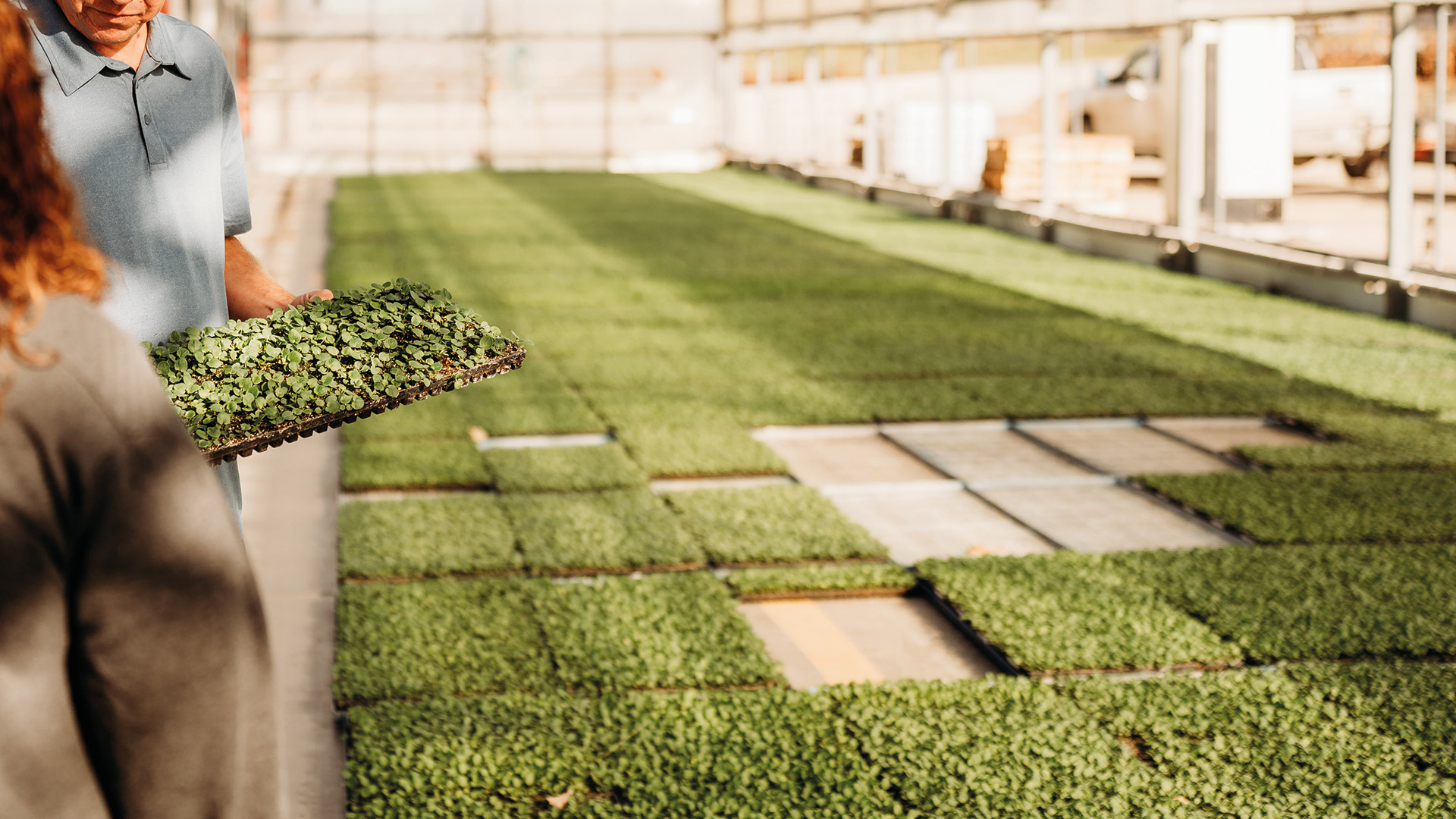
Growers who follow these practices consistently report quicker establishment, stockier tops allowing reduced PGR use, cleaner operations (lower dust, more uniform fills), and, in edible crops, improved outcomes linked to steadier moisture and nutrient dynamics. The common thread is a root zone that always has both water and oxygen, never one at the other’s expense.
Wood fiber isn’t merely a sustainable extender for peat; in the right hands, it’s a performance enhancer. Treat wood fiber growing media as both a sponge and a set of lungs, calibrate your irrigation around that reality, and you’ll raise crop quality while gaining a more forgiving, resilient production system.